Flavors of the Wind: A Wanderer’s Taste of Cappadocia
Nestled in the heart of Turkey, Cappadocia is more than hot air balloons and fairy chimneys—it’s a feast for the senses. As I wandered its sunbaked trails and sleepy villages, I discovered that the true soul of this land lies in its food. From smoky kebabs cooked underground to sweet pastries drizzled with honey, every bite tells a story. This is not tourism; it’s connection. The flavors here are shaped by centuries of quiet resilience, where meals unfold slowly, like the wind carving stone over time. In Cappadocia, eating is not an act of convenience but one of presence—where the past lingers on the tongue and hospitality feels like homecoming.
The Landscape That Feeds the Soul
Cappadocia’s terrain is a masterpiece sculpted by nature’s patience—volcanic eruptions laid down layers of soft tuff rock, which wind and water have since carved into towering spires, hidden valleys, and honeycombed cliffs. This surreal geology does more than inspire wonder; it nourishes life. The porous volcanic stone retains moisture and insulates against temperature extremes, creating natural cellars and cave dwellings that have sheltered people—and their food—for millennia. These caves are not relics; they are still used today as homes, chapels, and crucially, kitchens.
It is within these cool, earthen chambers that Cappadocian cuisine finds its foundation. The same geology that protects ancient frescoes also preserves the integrity of slow fermentation, yogurt culturing, and bread rising. Local bakers pull flat loaves from tandoor-style ovens built into cave walls, their crusts golden and blistered from radiant heat. The land itself contributes directly to the plate: wild thyme and mint grow between rocks, sheep graze on high plateaus rich in mineral-laden grasses, and hardy strains of wheat thrive in thin, well-drained soils. These ingredients are not imported or industrialized—they are born of this place.
Unlike many tourist regions where global tastes dilute tradition, Cappadocia’s relative isolation has acted as a preservative. Cut off from major trade routes for centuries, communities developed self-sustaining food systems that remain largely unchanged. Meals are seasonal, regional, and deeply intentional. A simple dish of bulgur pilaf with roasted vegetables isn’t just sustenance—it’s the result of generations learning how to extract maximum flavor and nutrition from limited resources. In this way, Cappadocian food is not merely consumed; it is honored as a quiet act of cultural continuity.
Wandering Through Markets: A Culinary Map
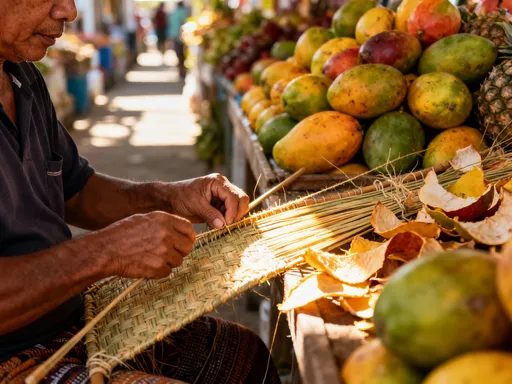
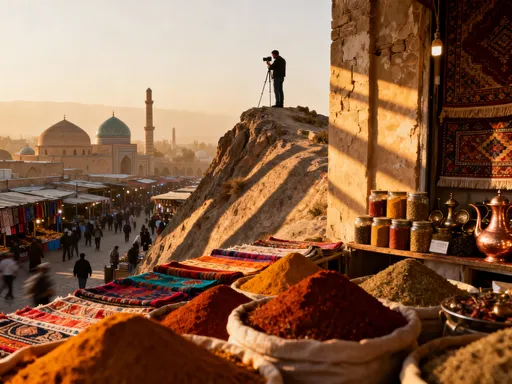
To understand Cappadocia’s cuisine, one must walk its markets—not the polished souvenir stalls near tourist centers, but the open-air bazaars where locals begin their days. In Göreme’s morning market, wooden crates overflow with sun-dried apricots, their deep orange halves clustered like jewels. Nearby, bundles of dried herbs hang in neat rows: oregano, savory, and mountain thyme, each carrying the scent of highland breezes. Crimson heaps of sumac berries sit beside baskets of green almonds, still in their fuzzy husks. These are not exotic novelties; they are the essential palette of home cooking.
I followed the rhythm of daily life, watching women select figs by weight and squeeze pomegranates for juice at roadside presses. At a corner stall, a vendor handed me a warm simit—a sesame-crusted bread ring, crisp on the outside, chewy within. It was served with a pat of golden butter and a spoonful of mulberry jam, both made locally. The combination was humble but revelatory: sweet, salty, nutty, all in balance. This kind of spontaneous generosity is common—vendors often offer samples not to sell, but out of pride in their craft.
One of the most memorable moments came from an elderly woman selling white cheeses wrapped in fig leaves. She offered me a sliver without prompting, her eyes crinkling at the corners as I tasted. The cheese was tangy and moist, with a faint earthiness from the leaf. She explained in broken English that her family has made it for generations using milk from their own goats. There was no branding, no label—just trust and tradition. These markets are not staged for visitors; they function as living pantries where food knowledge is passed hand to hand, season to season.
Every ingredient tells a story. The golden apricots, for instance, are not just a snack—they are turned into jam, leather, compote, or ground into desserts. Sumac, with its lemony tang, seasons everything from grilled meats to salads. Even the water here tastes different—mineral-rich and soft, drawn from underground aquifers filtered through volcanic rock. To wander through these markets is to trace a culinary map, one that leads not to restaurants, but to homes, hearths, and histories.
Underground Kitchens: Where Fire Meets Flavor
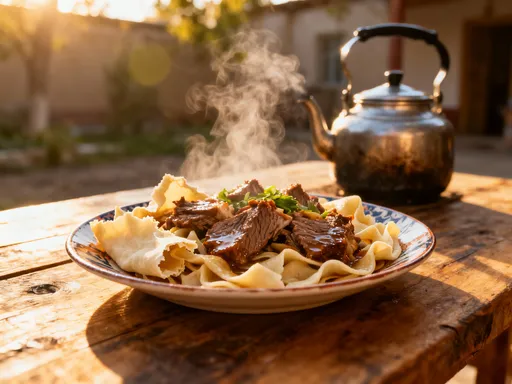
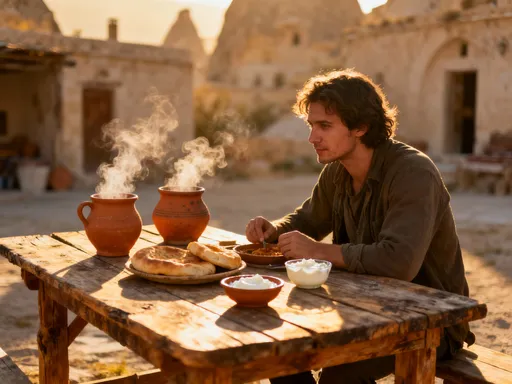
Beneath Cappadocia’s surface lies a hidden world of fire and flavor. For centuries, families have used the natural insulation of cave ovens to slow-cook meals with unmatched depth. The most iconic of these is testi kebab, a dish prepared in a sealed clay pot buried in embers or placed in a stone oven. The ingredients—typically lamb, tomato, pepper, eggplant, and potato—are layered inside, then sealed with dough to trap steam and aroma. The pot is cracked open at the table, releasing a cloud of fragrant vapor that carries the promise of tenderness within.
I witnessed this ritual at a small family-run eatery in Urgup, where the owner, Hasan, demonstrated the process with quiet reverence. He showed me the unglazed pots, shaped by local potters using methods unchanged for generations. After sealing the pot, he placed it in a wood-fired oven built into the cave wall. Hours later, when the crust had hardened and the contents had simmered in their own juices, he brought it to the table. With a swift tap of a hammer, the ceramic shell shattered, revealing meat so tender it fell apart at the touch of a fork. The sauce, reduced and rich, carried the smoky essence of slow combustion.
This method of cooking is more than practical—it is philosophical. By sealing the pot, the cook protects the integrity of the ingredients, allowing them to meld without distraction. There is no rushing, no peeking; the meal reveals itself only when ready. In a world obsessed with speed and visibility, this act feels radical—a reminder that some things cannot be forced. The cracking of the pot is both a climax and a metaphor: what is hidden, when given time, becomes extraordinary.
Other underground techniques persist as well. Bread is still baked in tandoors carved into cave floors, its heat radiating evenly from stone walls. Yogurt is fermented in cool corners, its cultures thriving in stable temperatures. Even wine was once stored in subterranean cellars, some of which date back to early Christian communities who used them for both preservation and refuge. These spaces are not museums; they are working kitchens where tradition is not performed, but lived.
Village Tables: The Heart of Hospitality
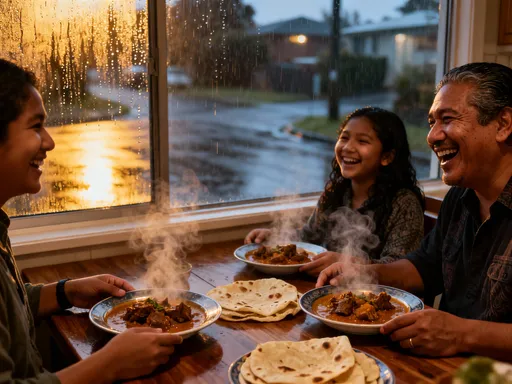
The most profound meals in Cappadocia are not found on menus—they are shared. In the village of Uçhisar, I was invited into a family home by a woman named Ayşe, whom I had met while photographing the rock formations near her garden. Without hesitation, she ushered me inside, removed my shoes, and seated me on low cushions around a wooden table already laden with food. There was no formality, no expectation—only warmth.
The table groaned under the weight of generosity: mantı dumplings, no larger than a thumbnail, swimming in garlicky yogurt and topped with melted butter and paprika; lahmacun so thin it cracked like parchment when folded; platters of pickled beets, cucumbers, and cabbage; bowls of fresh herbs; and glasses of ayran, the salty yogurt drink that cools the palate like a mountain spring. Ayşe’s husband grilled lamb skewers over charcoal while her daughter brought out warm pide bread, still puffed from the oven.
What struck me most was the pace. No one rushed. Conversations ebbed and flowed—sometimes in Turkish, sometimes in broken English, often in comfortable silence. Stories were told between bites: of harvests, of childhoods spent in cave homes, of weddings celebrated with dozens of guests and endless trays of food. Time stretched, not out of obligation, but out of respect—for the meal, for the company, for the moment.
This kind of hospitality is not transactional. It is not offered for tips or reviews. It is a cultural ethic, deeply rooted in Anatolian values of generosity and welcome. In a world where dining has become curated, photographed, and monetized, Cappadocia offers a different model: one where food is not a product, but a bridge. Sitting at that table, I did not feel like a guest—I felt included. And that sense of belonging, however brief, is perhaps the rarest flavor of all.
From Oven to Orchard: The Taste of Terroir
Cappadocia’s cuisine cannot be separated from its soil. The region’s volcanic origins have created a unique terroir—one that produces fruits, nuts, and wines with distinct character. Nowhere is this more evident than in the apricot orchards that dot the hillsides. These golden fruits, small and intensely flavored, are a point of pride. I visited a family-run farm outside Nevşehir, where a farmer named Mehmet showed me how they harvest and sun-dry apricots on wooden trays laid across stone patios.
“We don’t use machines,” he said, gesturing to the trays glowing in the afternoon light. “The sun does the work.” The dried apricots are eaten as snacks, stewed into compotes, or turned into leather-like pastes used in desserts. Some are even ground into flour for traditional cakes. Each stage preserves not just the fruit, but the rhythm of the seasons. This connection to land and time is evident in every bite—sweet, concentrated, with a hint of smokiness from sun exposure.
Equally remarkable is Cappadocia’s emerging wine culture. Though viticulture dates back thousands of years—evidence of ancient presses can still be found in cave complexes—the modern wine industry has gained momentum in recent decades. I toured a small winery in Ürgüp that specializes in indigenous varieties like boğazkere and öküzgözü. The vines grow in rocky, mineral-rich soil, their roots digging deep into volcanic ash. The resulting wines are bold and structured: boğazkere, in particular, delivers dark fruit notes, high tannins, and an earthy depth that mirrors the landscape.
The winemaker, Elif, explained that they ferment in clay amphorae buried underground, a method inspired by ancient Hittite practices. “We’re not trying to imitate others,” she said. “We want the wine to taste like this place.” Tasting a glass of young boğazkere, I understood what she meant—the wine was alive, textured, unmistakably of the earth. These flavors cannot be replicated elsewhere. They are, quite simply, the taste of Cappadocia—sun, stone, and time distilled into a single sip.
Practical Wandering: How to Eat Like a Local
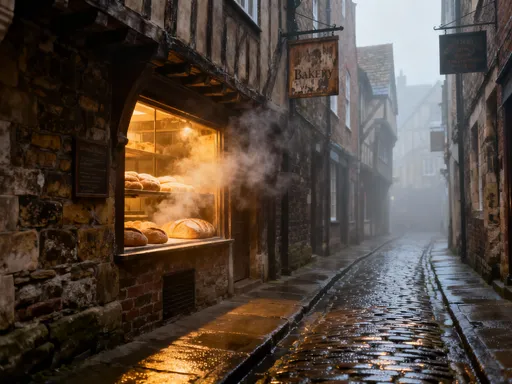
To truly taste Cappadocia, one must move beyond tourist menus and hotel buffets. The most authentic experiences come from slowing down and engaging with daily rhythms. Begin your day at a village bakery, arriving early when the first loaves are pulled from wood-fired ovens. Look for signs that read “fırın” and follow the scent of baking bread. Ask for tandoor ekmeği—round, crusty loaves that pair perfectly with honey and cheese.
For lunch, seek out small family-run lokantas, often unmarked and tucked into side streets. These home-style eateries serve daily specials written on chalkboards: perhaps lentil soup with mint, stuffed grape leaves, or eggplant stew. Portions are generous, prices modest, and the food is made that morning. Don’t hesitate to point at what others are eating—many owners will gladly explain the dishes in simple terms.
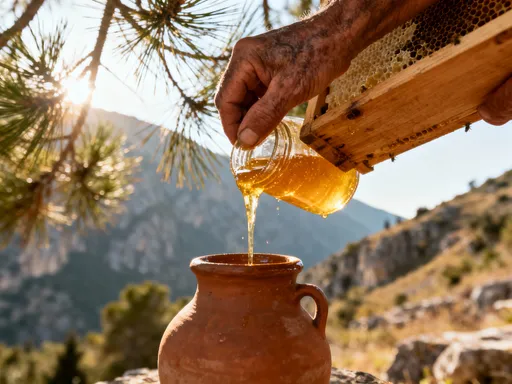
Be sure to try cacık, a refreshing yogurt and cucumber dish mixed with garlic and dill, often served chilled in summer. It’s the perfect counterpoint to rich meats like döner or kebab. For breakfast, indulge in kaymak—a clotted cream so rich and velvety it melts on the tongue—drizzled with wildflower honey and served with fresh bread. This combination is a regional staple and a morning ritual for many locals.
When dining, embrace the pace. Meals are not meant to be rushed. If invited into a home, accept with gratitude. Bring a small gift—a box of sweets, a bottle of wine, or fresh fruit—as a gesture of appreciation. Ask questions politely, show interest in ingredients, and express thanks sincerely. The key to eating like a local is not a checklist, but openness. Let meals find you. Let conversations unfold. Let the rhythm of the day guide your hunger.
The Journey Beyond the Plate
In Cappadocia, food is not an accessory to travel—it is the journey itself. Each meal connects you to history, landscape, and people in ways that sightseeing alone cannot. To taste a piece of bread baked in a cave oven is to touch a tradition that has sustained families for centuries. To sip wine grown in volcanic soil is to drink the essence of the land. To share a meal in a village home is to participate, however briefly, in a culture of deep-rooted hospitality.
This is not passive consumption. It is active remembrance. When you eat food prepared the same way for generations, you don’t just nourish the body—you honor the hands that made it. You become part of a story that stretches back through time, carried forward not in books, but in flavor. And in that moment of recognition, something shifts. You are no longer merely observing; you are belonging.
So go to Cappadocia not just to see the fairy chimneys or ride in a hot air balloon at dawn. Go to savor. Let the scent of roasting meat guide you down a cobbled lane. Let a stranger’s kindness lead you to a table overflowing with food. Let every bite deepen your understanding of this extraordinary place. For in the end, the most lasting souvenirs are not bought—they are tasted, remembered, and carried within.