Hidden Gems of Philly: Where Local Commerce Comes Alive
Ever stumbled upon a city spot so real, so raw, it feels like you’ve cracked a secret code? Philadelphia isn’t just about cheesesteaks and history—it’s buzzing with off-the-radar commercial pockets where locals shop, eat, and connect. I wandered far beyond Center City and found vibrant streets pulsing with culture, creativity, and authenticity. This is commerce with soul—unexpected, unfiltered, and unforgettable. Away from the postcard panoramas and crowded tour routes, Philadelphia reveals itself in neighborhood storefronts, corner markets, and family-run cafes. These spaces aren’t built for visitors; they exist for the community, yet they offer travelers a rare gift: genuine connection. To experience them is to witness the heartbeat of urban life, where every purchase supports a dream and every conversation carries history.
Beyond the Postcard: Rethinking Philadelphia’s Commercial Heart
Philadelphia’s identity is often reduced to Independence Hall, the Liberty Bell, and the Rocky Steps. While these landmarks hold historical weight, they represent only a fraction of what makes the city thrive. The true commercial soul of Philly lives beyond the curated postcard image, in districts where daily life unfolds without fanfare. These neighborhoods are not designed for mass tourism, but for the rhythm of local existence—where residents buy their groceries, grab morning coffee, and celebrate milestones at corner diners. Exploring these areas offers a richer, more nuanced understanding of the city, grounded in authenticity rather than performance.
Contrast this with the experience of visiting Reading Terminal Market or strolling down Walnut Street in University City. While both are vibrant in their own right, they cater heavily to foot traffic from tourists, conventions, and university affiliates. The energy is polished, the offerings predictable. In contrast, hidden commercial corridors like Fishtown’s Frankford Avenue or West Philly’s 52nd Street operate on a different frequency—one defined by community needs, cultural continuity, and grassroots entrepreneurship. These spaces reflect how cities actually function when left to grow organically, shaped by generations of residents rather than marketing strategies.
What makes these districts matter goes beyond aesthetics. They represent economic diversity, preserving small-scale retail in an era dominated by chains and e-commerce. They foster social cohesion, serving as gathering points where neighbors know one another by name. And for visitors, they offer a chance to move beyond surface-level observation into meaningful engagement. When you step into a neighborhood bodega in North Philly or browse handmade goods in a South Philly boutique, you’re not just shopping—you’re participating in a living ecosystem. This kind of travel rewards curiosity and respect, transforming sightseeing into storytelling.
Fishtown’s Revival: Art, Coffee, and Indie Commerce
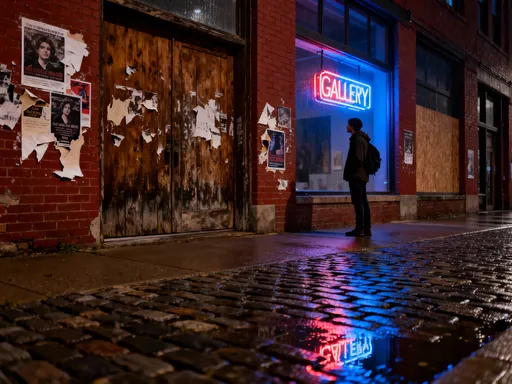
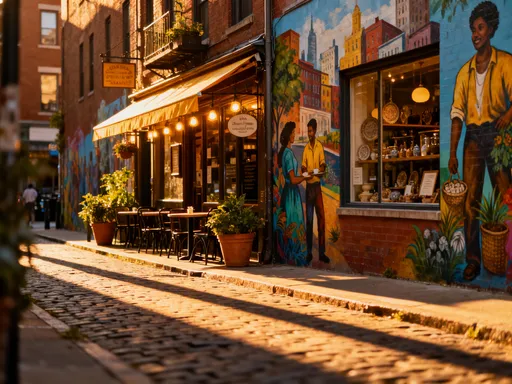
Fishtown, once a working-class enclave anchored by textile mills and shipbuilding, has undergone a remarkable transformation over the past two decades. Today, it stands as a model of organic urban renewal, where industrial decay has given way to creative energy without completely erasing its roots. The neighborhood’s commercial landscape now thrives on independent spirit—locally owned boutiques, artisanal cafes, and music venues that double as cultural incubators. Unlike gentrified areas that feel sanitized or imported, Fishtown retains a gritty charm, evident in its brick facades, street art murals, and the hum of conversation spilling from sidewalk tables.
One of the cornerstones of Fishtown’s local economy is Riverwards Produce, a neighborhood grocery that emphasizes fresh, regional sourcing. More than just a market, it functions as a community hub, hosting seasonal pop-ups, farm-to-table events, and educational workshops on sustainable eating. Its shelves are stocked with goods from nearby farms, and its staff often know customers by name. This level of personal connection is rare in larger supermarkets and underscores the value of small-scale commerce in building trust and continuity.
Coffee culture here is equally rooted in authenticity. Establishments like Elixr Coffee Roasters and Snap House Coffee Co. have cultivated loyal followings not through branding gimmicks, but through quality and consistency. These aren’t franchises designed for scalability—they’re labor-of-love operations where baristas take pride in their craft. The aroma of freshly ground beans mingles with the scent of rain on pavement, creating an atmosphere that invites lingering. On any given morning, you’ll find freelancers typing on laptops, friends catching up over lattes, and artists sketching in notebooks—all sustained by a local economy that values experience over efficiency.
Equally vital to Fishtown’s identity is Johnny Brenda’s, a live music venue and bar that has become a cultural anchor. Hosting everything from indie rock bands to comedy nights, it draws both locals and visitors seeking something real. The unassuming exterior belies its importance as a space for creative expression and community gathering. It’s not uncommon to see neighbors debating politics at the bar while a band tunes up on stage. This blend of commerce and culture exemplifies how small businesses can serve multiple roles—economic engines, social connectors, and cultural stewards—all at once.
Junction of Cultures: Commercial Life Along Passyunk Avenue
Just south of Center City, Passyunk Avenue cuts through the heart of South Philadelphia, a corridor where old-world tradition meets contemporary innovation. Historically home to Italian-American families, the neighborhood has evolved into a dynamic mosaic of cultures, cuisines, and commerce. The avenue itself is lined with red-brick row homes, corner stores, and storefronts that have changed hands across generations. What makes Passyunk special is its ability to honor heritage while embracing change—a balance reflected in its shops, restaurants, and daily rhythms.
Walk along Passyunk and you’ll encounter the scent of garlic and basil wafting from open kitchen vents, the clatter of dishes from bustling pizzerias, and the warm glow of neon signs above family-run bakeries. One iconic example is Isgro’s Pastries, a century-old institution known for its cannoli, rainbow cookies, and holiday specialties. Though it faced temporary closure in recent years, community support helped revive it, underscoring how deeply such businesses are woven into the social fabric. These are not just places to buy desserts—they are repositories of memory, where grandparents bring grandchildren to taste the same treats they enjoyed decades ago.
Alongside these legacy establishments, a new wave of entrepreneurs has emerged, opening wine bars, craft cocktail lounges, and gourmet sandwich shops. establishments like South Philly Tap Room and Garces Trading Company reflect a modern sensibility while respecting the neighborhood’s character. The result is a commercial environment that feels both familiar and fresh—a place where tradition isn’t frozen in time but allowed to evolve. Shoppers might pick up imported olive oil from a specialty grocer, then stop by a kombucha bar for a probiotic drink, all within a few blocks.
The sensory richness of Passyunk Avenue is matched by its economic resilience. Many businesses operate on narrow margins but survive through loyalty, word-of-mouth, and deep community ties. Shop owners often live nearby, reinforcing a sense of accountability and care. For visitors, this means every interaction carries weight—ordering a hoagie isn’t transactional; it’s an exchange rooted in mutual recognition. To explore Passyunk is to witness how cultural identity can thrive in the everyday, sustained by small acts of commerce that add up to something profound.
West Philly’s Soul: 52nd Street’s Rhythms and Retail
Stretching through West Philadelphia, 52nd Street has long served as a commercial and cultural artery for the city’s African American community. Once dubbed the “Black Broadway” for its vibrant jazz scene and thriving nightlife, the corridor has weathered economic shifts, disinvestment, and urban renewal efforts. Yet, it remains a testament to resilience, with local entrepreneurs continuing to open shops, restaurants, and service businesses that reflect the neighborhood’s spirit. Today, 52nd Street blends nostalgia with renewal, offering a glimpse into a legacy of self-reliance and creative expression.
The street’s history is deeply musical. In the mid-20th century, clubs along 52nd hosted legendary performers, drawing crowds from across the city. Though many of those venues have closed, the cultural imprint remains. You can still hear jazz drifting from open doors, and occasional live performances keep the tradition alive. The rhythm of the street echoes in its commerce—soul food cafes serving smothered pork chops and collard greens, barbershops where conversations flow as freely as clippers, and record stores preserving decades of Black musical heritage.
One standout is Mama’s Crispy Crepes, a beloved spot known for its savory stuffed crepes and warm hospitality. Opened by a local entrepreneur, it exemplifies how small restaurants can become community anchors, offering not just meals but connection. Customers often linger after eating, chatting with staff or catching up with neighbors. The menu blends Creole influences with Philly staples, reflecting the diverse roots of the neighborhood. Similarly, vintage clothing stores like Ragged and Eclectic offer curated finds that celebrate individuality and sustainability, appealing to younger residents and conscious consumers alike.
Revitalization efforts on 52nd Street have been community-driven, with local organizations supporting façade improvements, business incubation, and safety initiatives. Unlike top-down redevelopment projects that risk displacing residents, these efforts prioritize inclusion and long-term stability. Grants and microloans help entrepreneurs launch or expand, while events like street festivals draw attention without compromising authenticity. The result is a commercial corridor that feels lived-in, not staged—a place where progress doesn’t mean erasure. For travelers, visiting 52nd Street is an invitation to witness economic empowerment in action, where every dollar spent supports a vision rooted in pride and purpose.
Northern Exposure: Ogontz Avenue’s Quiet Hustle
In Northwest Philadelphia, Ogontz Avenue unfolds as a quiet but essential commercial spine, serving the Mount Airy and West Oak Lane communities. Unlike the bustling energy of Fishtown or the cultural density of Passyunk, Ogontz operates at a gentler pace—one defined by practicality, familiarity, and quiet determination. Here, commerce isn’t about spectacle; it’s about meeting daily needs. Bodegas stock fresh produce and household essentials, laundromats hum with activity, and hair salons double as neighborhood news hubs. These modest storefronts may lack flashy signage, but they form the backbone of urban life.
What makes Ogontz Avenue remarkable is its continuity. Many businesses have operated for decades, passed down through families or sustained by long-term owners committed to the neighborhood. A corner store might have been run by the same family since the 1970s, its shelves stocked with items chosen based on customer feedback rather than corporate mandates. The barbershop on the corner doesn’t just cut hair—it hosts debates, shares job leads, and celebrates graduations. These spaces are informal institutions, built on trust and routine.
One such example is Tasty Cakes, a small bakery known for its custom birthday cakes and holiday pies. Orders are often placed weeks in advance, and pickup days turn into mini-events, with neighbors greeting one another at the door. The owner, a longtime resident, reinvests profits into the business and occasionally sponsors youth programs, reinforcing the idea that small enterprises can have outsized social impact. Similarly, local pharmacies and dollar stores ensure access to essentials, particularly for seniors and low-income families, filling gaps left by larger retail chains.
Ogontz Avenue reflects a model of sustainable urban commerce—one that values functionality over flash, resilience over rapid growth. These businesses may never make travel guides, but they are indispensable to the people who rely on them. For visitors, walking down Ogontz offers a lesson in humility and humanity. It’s a reminder that cities are not just collections of landmarks, but networks of everyday exchanges that keep communities alive. To appreciate Ogontz is to recognize the dignity in ordinary work and the strength found in neighborhood bonds.
Practical Exploration: How to Discover Philly’s Hidden Commercial Zones
Exploring Philadelphia’s lesser-known commercial districts doesn’t require special access—just intention and awareness. The city’s public transit system, particularly the Broad Street Line and SEPTA buses, makes it easy to reach neighborhoods like Fishtown, West Philly, and South Philly without a car. Start by choosing a single corridor—Frankford Avenue, Passyunk Avenue, or 52nd Street—and allow time to wander without a rigid agenda. Some of the best discoveries happen spontaneously: a mural around a corner, the smell of fresh bread from an unmarked bakery, a shopkeeper offering a sample of homemade sauce.
Timing matters. Weekday mornings often reveal the true rhythm of neighborhood life—shop owners setting up displays, delivery trucks unloading, regulars stopping by for coffee. Weekends bring different energy, with markets, churchgoers, and families out for strolls. Local events, such as street fairs or art walks, provide excellent opportunities to engage with vendors and residents. These gatherings are not staged for tourists; they are authentic expressions of community pride.
Engagement should be respectful and mindful. Instead of treating these spaces as photo ops, approach them with curiosity and humility. A simple “good morning” or question about a product can open a conversation. Support small businesses by purchasing something—a coffee, a snack, a handmade item—even if it’s small. These transactions matter more than they might seem, directly supporting livelihoods and signaling appreciation.
Remember, the goal isn’t to “discover” these places as if they were unknown, but to witness them with respect. These neighborhoods exist for their residents first. Being a thoughtful visitor means observing without intruding, listening without assuming, and leaving with gratitude. With this mindset, exploration becomes a form of connection, enriching both the traveler and the community.
Why These Places Matter: The Bigger Picture of Urban Discovery
At a time when global travel often feels standardized—chain hotels, branded restaurants, algorithm-driven itineraries—the value of authentic local commerce cannot be overstated. Philadelphia’s hidden commercial zones offer something increasingly rare: spaces shaped by people, not profit margins. They preserve cultural identity, support economic diversity, and foster human connection in ways that sanitized tourist districts cannot replicate. To visit them is to participate in a different kind of urban narrative—one built on continuity, resilience, and mutual care.
These micro-economies also challenge stereotypes. Too often, neighborhoods outside downtown cores are dismissed as “unsafe” or “undesirable” without understanding their complexity. Yet, walking through Fishtown’s art-lined streets or sipping coffee on Passyunk Avenue reveals thriving communities with deep roots and rich stories. By choosing to explore these areas, travelers help shift perceptions, proving that value exists beyond the spotlight.
Moreover, supporting local commerce contributes to equitable urban development. When visitors spend money at family-run shops instead of corporate chains, they help sustain jobs, preserve cultural heritage, and strengthen neighborhood identity. This kind of tourism doesn’t extract—it enriches. It recognizes that cities are not just destinations, but homes.
Ultimately, the most meaningful travel experiences come not from checking off landmarks, but from moments of genuine encounter. They happen in a West Philly café where laughter rises over plates of waffles, in a North Philly barbershop where stories are traded like currency, in a South Philly bakery where a grandmother buys her grandson’s favorite cookie. These are the places where Philadelphia lives—not in polished exhibits, but in the pulse of daily life.
So the next time you visit a city, look beyond the guidebooks. Step off the beaten path with respect and openness. Let curiosity guide you to the corners where commerce has soul. Because cities don’t reveal their truth on billboards or brochures—they whisper it in the quiet hum of a neighborhood store, the warmth of a handmade meal, the pride in a shopkeeper’s eyes. That’s where real discovery begins.