You Won’t Believe These Secret Viewpoints in Phuket
Phuket isn’t just about Patong and Phi Phi. Beyond the postcard scenes, quiet trails lead to secret viewpoints where the Andaman Sea stretches endlessly and silence replaces the hustle. These off-the-radar lookouts offer more than just views—they deliver moments of clarity, connection, and awe. If you're chasing authentic experiences over crowded decks, discovering these hidden perspectives might just redefine your trip. Let’s explore the island’s best-kept visual secrets.
The Allure of Hidden Viewpoints – Why They Matter
Travel has evolved beyond ticking off famous landmarks. Today’s mindful explorers seek depth, not just destinations. Hidden viewpoints in Phuket represent this shift—offering solitude, unspoiled beauty, and a chance to truly connect with the landscape. Unlike the bustling Karon Viewpoint, where tour buses arrive in waves and selfie sticks dominate the railing, lesser-known vantage points allow travelers to stand quietly, breathe deeply, and absorb the vastness of the Andaman Sea without distraction. These moments of stillness often become the most cherished memories of a journey.
What makes a hidden viewpoint so powerful? It’s not just the view—it’s the context. Being alone on a hilltop at sunrise, with only the sound of distant waves and rustling leaves, creates an emotional imprint far deeper than any crowded observation deck. The absence of crowds allows for reflection, presence, and a sense of discovery. When you find a spot that feels like yours alone, even if only for a moment, the experience becomes personal and transformative. This is the essence of authentic travel: not just seeing a place, but feeling it.
Popular viewpoints are often shaped by convenience and accessibility, not beauty or serenity. They are designed for mass tourism—paved paths, ticket booths, and snack vendors. While they offer impressive panoramas, they rarely offer peace. In contrast, secret lookouts require a bit more effort: a winding path, a conversation with a local, or a short hike. That effort filters out the casual visitor and preserves the integrity of the place. It also aligns with a growing desire among travelers—especially those seeking meaningful, low-impact experiences—to move beyond the obvious and discover what lies beneath the surface.
Social media has both helped and hindered this quest. On one hand, it spreads awareness of beautiful places. On the other, it often leads to overcrowding, environmental strain, and the commercialization of once-quiet spots. The irony is that the very platforms meant to inspire exploration can end up destroying the solitude they celebrate. That’s why many of Phuket’s most stunning viewpoints remain unmarked, unnamed, and undocumented. They survive because they are not easily found—and that’s exactly what makes them worth seeking.
How to Find Secret Spots – A Local-Inspired Approach
Finding hidden viewpoints in Phuket doesn’t require advanced navigation skills or insider connections—it requires curiosity, respect, and a willingness to slow down. The best way to uncover these spots is not through online lists or geotagged photos, but through genuine interaction with locals. A simple conversation with a tuk-tuk driver, a shop owner, or a resident walking their dog can yield golden insights. Ask open-ended questions like “Where do you go to watch the sunset?” or “Is there a quiet hill near Kata where you like to relax?” More often than not, people are happy to share their favorite places—especially when approached with kindness and respect.
Another effective method is to study the island’s topography. Using a topographic map or an offline navigation app like Maps.me, you can identify elevated areas near villages, temples, or forested zones. These high points often offer panoramic views, even if there’s no official trail leading to them. Look for gentle ridges, cleared areas, or roads that climb steadily inland. Utility roads—those used for power lines or water access—are particularly promising, as they often follow natural contours and open up to unexpected vistas. However, it’s important to remember that not all elevated land is accessible or safe to explore. Always respect private property and avoid trespassing.
When venturing off the beaten path, preparation is key. Wear sturdy footwear with good grip, carry water, and bring a flashlight if you’re heading out early or returning after dark. While GPS can be helpful, it’s not foolproof—especially in dense jungle or hilly terrain where signals can drop. Relying too heavily on technology can lead to frustration or even danger. Instead, use it as a guide, not a guarantee. Trust your instincts, observe natural landmarks, and don’t be afraid to turn back if a path feels uncertain.
One of the most rewarding ways to discover hidden viewpoints is to follow small footpaths behind temples or residential areas. These trails are often used by locals for exercise or quiet reflection and may lead to overlooks that are never mentioned in guidebooks. The key is patience. You may walk for 15 minutes only to find a dead end—but then, on another day, that same path might open up to a breathtaking clearing. The journey itself becomes part of the experience, teaching you to appreciate the process of discovery as much as the destination.
Sunrise from Khao Rang Hill – The Local’s Escape
One of Phuket’s best-kept secrets is Khao Rang Hill, a modest elevation on the island’s eastern side that offers one of the most complete panoramic views available—without the crowds. While most tourists flock to the southern viewpoints for sunset, Khao Rang is where locals go at dawn. The climb is gentle, accessible by foot or motorbike, and entirely free. There are no ticket booths, no souvenir stalls, and no loudspeakers announcing tour times. What you’ll find instead is a peaceful atmosphere, the soft glow of early light, and a 360-degree vista that includes Phuket Town, Chalong Bay, and the distant islands dotting the Andaman Sea.
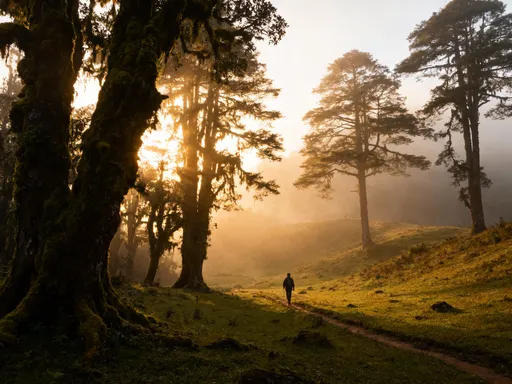
Arriving by 5:45 AM during peak season ensures you’ll witness the sky transform from deep indigo to golden orange, with the city lights below fading into the morning haze. The air is cool, often carrying the faint scent of frangipani from nearby gardens. You’ll likely see local families doing morning exercises, elderly couples sipping tea, and photographers setting up their tripods—quiet rituals that have little to do with tourism and everything to do with daily life. This is not a performance for visitors; it’s a genuine moment of community and calm.
What makes Khao Rang so special is its accessibility and authenticity. Unlike commercial viewpoints, it hasn’t been developed for mass appeal. There’s a small temple at the summit—Wat Khao Rang—where incense burns and offerings are left, adding a spiritual dimension to the experience. Visitors are welcome, but expected to behave respectfully. No loud music, no littering, no climbing on sacred structures. The simplicity of the place is its strength. It doesn’t try to impress—it simply exists, offering a quiet space to witness the day begin.
For those planning a visit, a light jacket is recommended, as the elevation can make mornings cooler than the beach. Binoculars enhance the experience, allowing you to trace the outline of offshore islands or spot fishing boats heading out to sea. And while the view is stunning in any season, the clearest skies are often found during the cool, dry months from December to February. Whether you come for the photography, the tranquility, or the sense of connection, Khao Rang Hill offers a rare gift: a moment of peace above the island’s pulse.
The Secret Jungle Lookout Near Kathu – A Hidden Gem
Tucked away in the rolling hills behind Kathu lies a little-known trail that leads to one of Phuket’s most surprising viewpoints. This spot is not marked on any tourist map, has no official name, and is rarely mentioned online. Yet, for those who find it, the reward is a sweeping western panorama of Kata and Karon bays, framed by lush jungle and bathed in golden afternoon light. The path begins behind a quiet residential area, just off a secondary road that few tourists travel. It’s easy to miss—nothing more than a narrow footpath flanked by ferns and flowering vines—but it opens up to a natural clearing with an unobstructed view of the coastline.
The hike is short—about 15 to 20 minutes—but feels like a journey into another world. The trail winds through dense tropical foliage, where monitor lizards dart across the path and birds call from the canopy. The air is rich with the scent of damp earth and blooming ginger plants. As you ascend, the sounds of traffic fade, replaced by the rustle of leaves and the distant crash of waves. When you reach the top, the view unfolds gradually: first the treetops, then the shimmering curve of the bay, and finally, the endless expanse of the Andaman Sea.
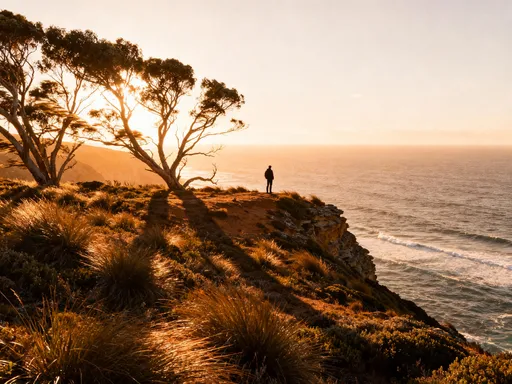
What makes this lookout special is its sense of discovery. Because it’s not advertised or commercialized, it remains untouched by development. There are no railings, no benches, no vendors. You sit on the natural rock ledge, feeling the sea breeze on your skin, and know you’re seeing something few others have. Locals occasionally visit, but never in numbers. The spot feels private, almost sacred. It’s the kind of place where you might whisper, not out of obligation, but because the silence demands it.
The best time to visit is late afternoon, about an hour before sunset. The light is soft, the heat of the day begins to lift, and the colors of the sky deepen from pale blue to warm amber. Bring water, wear closed-toe shoes with good traction, and watch your step on the descent, as some sections can be slippery after rain. This is not a destination for flip-flops or haste. It’s a place to slow down, breathe, and remember why you came to Phuket in the first place—to see beauty in its purest form.
Seaside Cliffs in Mai Khao – Tranquility at the Island’s Edge
At the northern tip of Phuket, far from the resort clusters of the south, lies Mai Khao Beach—a long, quiet stretch of sand bordered by low cliffs and protected by Sirinath National Park. Unlike the bustling shores of Patong or Kamala, Mai Khao remains relatively untouched, frequented more by nesting sea turtles than by sunbathers. Along certain sections of the coastline, natural rock formations create small seaside cliffs that offer rare, ocean-level viewpoints. These are not dramatic precipices, but gentle rises in the limestone that allow you to sit just above the waves, watching the water crash and recede in a steady, meditative rhythm.
Visiting at low tide is essential, as some of the best vantage points are only accessible when the sea retreats. Wearing sturdy sandals or water shoes, you can walk along the wet sand, climb onto flat rock platforms, and find a spot to sit and reflect. The view stretches endlessly westward, with no buildings in sight—just the horizon, the sky, and the occasional fishing boat silhouetted against the sun. The sound of the waves is constant, soothing, almost hypnotic. It’s easy to lose track of time here, as the mind settles into the natural rhythm of the sea.
The area’s proximity to Sirinath National Park adds to its sense of wildness. Coconut palms lean over the shore, birds soar above the treetops, and the air carries the clean, salty scent of the ocean. Because this part of the island is protected, development is minimal. There are no beach bars, no loud music, no crowds. What you find instead is a rare kind of peace—one that feels increasingly difficult to find in today’s world. For families, couples, or solo travelers seeking stillness, Mai Khao’s seaside cliffs offer a sanctuary.
Safety is important when exploring these areas. Rocks can be slippery, especially when wet, and the tide turns quickly. Always check the tide schedule and avoid staying too long on exposed platforms. Early morning is the best time to visit—cool temperatures, soft light, and the highest chance of solitude. Bring a hat, sunscreen, and plenty of water, and consider pairing your visit with a walk through the nearby national park trails. This is not a place for rushing. It’s a place for being present, for listening, for remembering the quiet power of nature.
The Overlook Above Nai Harn – Serenity and Scope
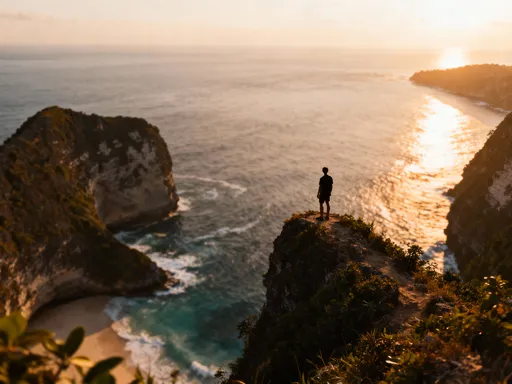
Perched above the serene Nai Harn Lake and Beach, a quiet path winds through green hills to a viewpoint that captures the soul of southern Thailand. This spot, favored by local joggers and photographers, offers a rare triple landscape: the freshwater lake below, the forested slopes surrounding it, and the turquoise waters of Nai Harn Bay stretching to the horizon. Unlike the more famous viewpoints that focus solely on the sea, this one tells a fuller story—one of balance between land and water, stillness and motion, nature and community.
The ascent is gentle, suitable for all fitness levels, and shaded by trees for much of the way. There are no signs directing you to the best vantage point, but locals know it well. A small clearing opens up with an unobstructed view, often occupied by a few quiet visitors sipping coffee from thermoses or adjusting camera settings. The atmosphere is one of calm focus, not distraction. You can sit on a rock, lean against a tree, or simply stand and take it all in.
What makes this overlook special is its accessibility and authenticity. There is no entrance fee, no ticket booth, no commercial development. It exists because the land allows it, not because someone built it for profit. You can visit at any time, though late afternoon is ideal—when the sun casts long shadows, the light turns golden, and the breeze carries the scent of pine and salt. The cooling air makes the climb more pleasant, and the view more dramatic as the sky shifts colors.
Many visitors combine the hike with a walk around Nai Harn Lake, a peaceful circuit that passes through gardens and shaded paths. Local vendors sell fresh coconut and iced coffee nearby, making it easy to extend your visit into a full afternoon of relaxation. Whether you come for the view, the exercise, or the escape from crowds, the overlook above Nai Harn offers something deeper: a sense of harmony. It reminds you that beauty isn’t always loud or dramatic—it can be quiet, balanced, and deeply satisfying.
Chasing Authenticity – How Viewpoints Change Travel
Seeking out hidden viewpoints in Phuket is about more than just finding a good photo opportunity. It’s about shifting your relationship with travel—from passive observation to active discovery. When you climb a quiet hill, follow an unmarked path, or sit alone on a seaside cliff, you’re not just seeing a new view. You’re experiencing a different way of being in the world. These moments slow time, deepen awareness, and reconnect you with the natural rhythms that modern life often drowns out.
Authentic travel isn’t defined by how many places you visit, but by how deeply you experience them. A single sunrise from Khao Rang Hill can mean more than a dozen checklist attractions. A quiet moment on the cliffs of Mai Khao can stay with you longer than any souvenir. These experiences don’t come from convenience—they come from curiosity, respect, and a willingness to look beyond the obvious. They remind us that the best parts of a destination are often the ones no one told us about.
As tourism continues to grow, the need for mindful exploration becomes more urgent. Preserving the peace of hidden viewpoints means visiting with care—leaving no trace, respecting local customs, and protecting the environment. It means choosing discovery over convenience, presence over performance. The most beautiful views are not always the easiest to reach, but they are always worth the effort.
So the next time you plan a trip to Phuket, look beyond the brochures and the热搜. Ask questions. Talk to locals. Follow the quiet paths. Bring curiosity, not just a camera. Because the island’s true magic isn’t in its famous beaches or crowded decks—it’s in the silent moments, the unexpected clearings, the views that feel like they were waiting just for you. The best perspectives aren’t marked on maps. They’re found by those who know how to look.