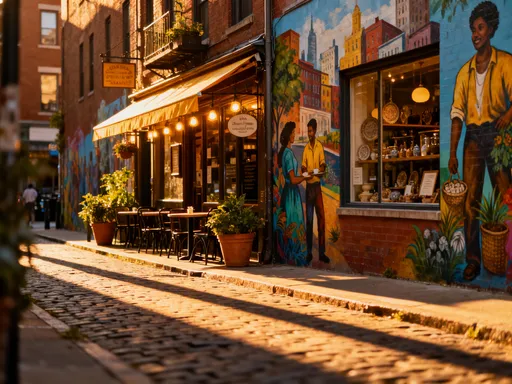
You Gotta Taste This: Faro’s Best-Kept Food Secrets Revealed
Lying beneath the radar of mainstream tourism, Faro, Portugal, is a treasure trove of authentic flavors and local craftsmanship. I wandered its sun-drenched streets and uncovered specialty products you won’t find in guidebooks — from handcrafted Algarve sweets to artisanal sea salt harvested by traditional methods. This isn’t just a city; it’s a sensory journey through culture, history, and taste. With every bite and every visit to a quiet market stall, I discovered how deeply food is woven into the fabric of daily life here. Faro doesn’t shout about its treasures — it whispers them, in the crunch of a fresh pastry, the briny kiss of sea salt, and the golden pour of locally made liqueur.
First Impressions: Stepping into Faro’s Hidden Charm
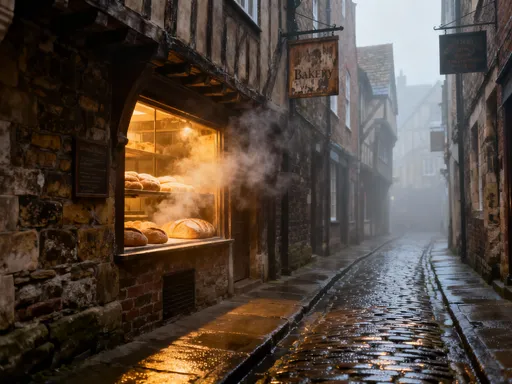
Faro greets visitors with a quiet dignity, its whitewashed buildings glowing under the southern Portuguese sun, their terracotta rooftops cascading toward the Ria Formosa lagoon. Unlike the bustling beach resorts just a short drive away, Faro moves at a different rhythm — slower, more deliberate, grounded in routine and tradition. The air carries a soft salinity, a reminder that the Atlantic is never far, and the scent of freshly baked bread often drifts from corner bakeries tucked between centuries-old churches and family-run grocery shops.
As I stepped off the train and into the heart of the old town, I was struck not by grandeur, but by authenticity. There were no souvenir stands shouting for attention, no neon signs promising 'authentic Portuguese experiences.' Instead, I found elderly women chatting outside fruit stalls, fishermen mending nets near the marina, and children cycling past the Arco da Vila, the stone gateway that marks the entrance to the historic center. This was not a city performing for tourists — it was living.
And within this unassuming daily life lies something precious: access to food traditions that have been preserved not for show, but out of habit, pride, and necessity. The specialty products of Faro aren’t crafted for Instagram moments; they’re made because they’ve always been made. Whether it’s a grandmother stirring a pot of figos cheios in her kitchen or a salt harvester raking crystals under the morning sun, these acts are part of a living culinary lineage. The charm of Faro is not in its monuments, but in the quiet persistence of its people and their connection to the land and sea.
The Heartbeat of Local Flavor: What Makes Faro’s Products Unique
What sets Faro’s food culture apart is not just flavor — it’s origin. The specialty items found here are inseparable from the region’s geography, climate, and centuries of adaptation. The Algarve enjoys over 300 days of sunshine a year, mild winters, and coastal breezes that shape everything from the sweetness of its fruits to the salinity of its seafood. This unique microclimate, combined with traditional methods passed down through generations, creates products with a distinct sense of place.
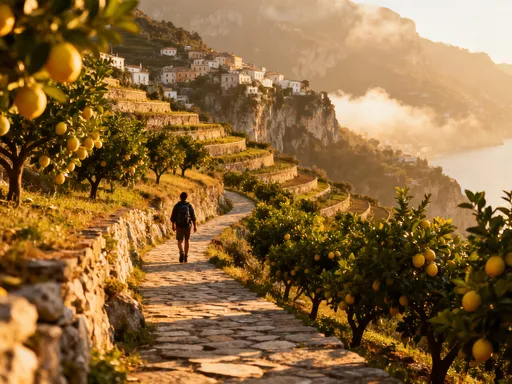
Take the citrus groves that dot the hillsides just outside the city. The warm days and cool nights allow oranges, tangerines, and lemons to develop deep, complex flavors — sweeter, more aromatic than those grown in hotter, drier regions. These fruits aren’t just eaten fresh; they’re distilled into liqueurs, candied into preserves, or pressed for juice used in both cooking and traditional remedies. Their essence is captured in every drop of locally made orange blossom water or carqueja-infused syrup sold at the market.
Equally important is the influence of the sea. The Ria Formosa Natural Park, a network of salt marshes, tidal channels, and barrier islands, is one of the most biologically rich areas in southern Europe. It’s here that clams, cockles, and tiny fish like molinhas thrive, harvested using sustainable methods that have changed little over time. The briny waters also feed the region’s salt pans, where sea salt is still collected by hand, just as it was in Roman times.
Small-batch production is another hallmark of authenticity. Unlike mass-produced goods, Faro’s specialty foods are often made in limited quantities — by families, convents, or small cooperatives. This ensures attention to detail, quality control, and a commitment to tradition. There’s no rush, no industrial scaling — just careful, deliberate craftsmanship. When you taste a piece of almond candy made in a 19th-century convent or a jar of fig jam prepared in a home kitchen, you’re tasting time itself.
Sweet Delights: Exploring Faro’s Traditional Confections
No culinary journey through Faro is complete without indulging in its legendary sweets — delicate, fragrant, and deeply rooted in history. These are not mere desserts; they are edible heirlooms, many originating in the region’s convents during the 15th and 16th centuries, when nuns used egg whites for starching clothes and had yolks to spare. With sugar becoming more accessible through Portugal’s maritime trade, they began creating rich, custard-based treats that have endured for centuries.
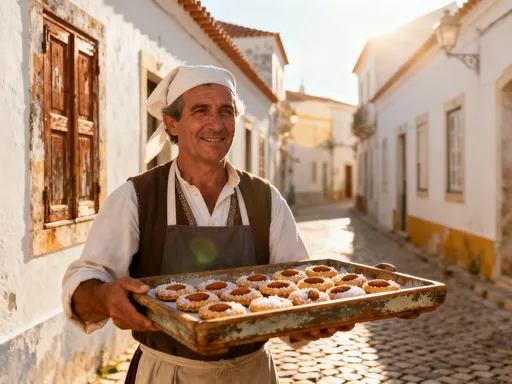
Among the most beloved is the *dominho*, a small, rectangular pastry made from layers of flaky puff pastry filled with a smooth, sweet almond cream. Its name, meaning 'domino,' comes from its black-and-white appearance — the golden crust topped with a dusting of powdered sugar resembling the classic game piece. Each bite delivers a balance of crunch and silkiness, with a nutty depth that lingers on the palate. You’ll find dominhos in family bakeries like Confeitaria Sofia, where they’re baked fresh each morning and stacked in neat rows behind glass counters.
Equally enchanting are *figos cheios* — plump dried figs stuffed with a marzipan-like filling of ground almonds, cinnamon, and lemon zest. Often wrapped in thin pastry or netting, they’re a seasonal specialty, typically made in the late summer and autumn when figs are at their peak. Some versions include a whole almond nestled inside, adding a satisfying crunch. These sweets are frequently made in home kitchens, passed down through generations, and gifted during holidays or served with coffee after meals.
For those with a taste for citrus, *tigeladas* offer a refreshing contrast. These are thin, crisp wafers flavored with lemon or orange peel, sometimes glazed with honey. Light and airy, they dissolve on the tongue, leaving behind a bright, zesty finish. Traditionally baked in clay tiles (hence the name, from *tigela*, meaning 'bowl' or 'tile'), they are now made in modern ovens but retain their old-world charm.
When seeking out these confections, look for signs of freshness: a sheen on the pastry, a soft give in the filling, and a clean, natural aroma. Avoid overly glossy or uniformly shaped items, which may be mass-produced. The best sweets often come from unassuming places — a small shop near the cathedral, a stall in the municipal market, or a roadside stand with handwritten signs. Ask vendors when they were made, and don’t hesitate to sample before buying. In Faro, sweetness isn’t just a flavor — it’s a language of care, memory, and celebration.
From the Sea: Salt, Fish, and the Art of Preservation
The sea is the soul of Faro’s cuisine, and nowhere is this more evident than in its age-old traditions of salt harvesting and fish preservation. Along the edges of the Ria Formosa, salt pans stretch like mirrored mosaics, their shallow pools reflecting the sky. These are the *salinas*, where sea water is channeled in, evaporated by sun and wind, and carefully raked into mounds of pure, flaky salt. This artisanal sea salt, known locally as *sal marinho artesanal*, is prized for its clean taste and mineral complexity.
I visited one such salina early in the morning, when the light was soft and pink flamingos waded through the crystallizing basins, feeding on brine shrimp. The salt harvester, a man in his sixties with sun-weathered hands, explained how the process begins in spring and continues through summer, with each pool serving a different stage of evaporation. The final product is hand-collected, never heated or chemically treated, preserving its natural texture and trace minerals. This salt is not just for cooking — it’s used in curing fish, rimming glasses for cocktails, and even as a finishing touch on desserts.
Equally vital to Faro’s food culture is the tradition of preserving seafood. Without refrigeration, coastal communities historically relied on drying, salting, and smoking to store fish, and these methods are still alive today. *Molinhas* — tiny, silvery fish similar to whitebait — are lightly fried and eaten whole, bones and all, offering a delicate, oceanic flavor. They’re often served with lemon and crusty bread, a simple dish that speaks volumes about the region’s respect for freshness.
Another specialty is *xogetes*, baby squid caught in the lagoon and either grilled fresh or sun-dried for preservation. When dried, they develop a concentrated umami punch, perfect for adding depth to stews, rice dishes, or even salads. Some families still prepare xogetes at home, stringing them on lines and hanging them in shaded patios to dry slowly over several days.
Cured fish like *sardinhas marinadas* — marinated sardines in vinegar, bay leaf, and garlic — are also common, sold in glass jars at local markets. These are not the oily, heavily salted varieties found elsewhere; Faro’s versions are balanced, tangy, and fragrant, meant to be enjoyed with olives, cheese, and a glass of white wine. The art of preservation here isn’t about hiding flavor — it’s about enhancing it, layering it, and making it last. Each jar, each packet of salt, carries the essence of the sea and the patience of those who work with it.
Liquid Gold: Local Wines and Citrus Elixirs
While the Algarve may not rival the Douro or Alentejo in wine fame, it produces distinctive beverages that deserve recognition. Among them, Moscatel de Setúbal stands out — a sweet, aromatic dessert wine made from Muscat grapes grown in nearby vineyards. Though technically from the Setúbal Peninsula, it is widely enjoyed in Faro and pairs beautifully with the region’s almond pastries and fig-based sweets. Its golden hue and notes of orange blossom, apricot, and honey make it a favorite after-dinner drink, often served chilled in small glasses.
More locally, small family-run vineyards in the hills around Faro are beginning to gain attention for their white wines made from indigenous grapes like Arinto and Antão Vaz. These wines are crisp, mineral-driven, and slightly saline — a reflection of the coastal terroir. They pair exceptionally well with seafood, cutting through the richness of fried fish or complementing the brininess of salted olives.
But Faro’s true liquid treasures extend beyond wine. The region’s citrus abundance gives rise to a range of artisanal liqueurs and syrups. One standout is *aguardente de laranja*, a potent orange brandy distilled from surplus or imperfect fruit. It’s fiery on the palate but finishes with a bright citrus warmth, often sipped in small amounts after meals to aid digestion. Some producers infuse it with carqueja, a bitter herb known for its digestive properties, adding complexity and a touch of medicinal tradition.
Another unique offering is *xarope de carumbeira*, a syrup made from the sap of the carob tree, which grows abundantly in the Algarve. Thick, dark, and molasses-like, it’s used to sweeten desserts, drizzle over cheese, or mix into warm milk as a bedtime tonic. Carob syrup is naturally low in fat and rich in antioxidants, making it a healthier alternative to refined sugar. It’s also a nod to rural resourcefulness — using every part of the land to create nourishment.
For those interested in tasting these beverages, several local producers offer small-scale tours and tastings. Look for family-run operations where the owner greets you personally and explains the process with pride. Some markets also have stands where you can sample before buying. Whether it’s a sip of golden Moscatel or a spoonful of carob syrup stirred into yogurt, these liquids are more than refreshments — they are浓缩 (concentrated) expressions of place, season, and tradition.
Where to Find the Real Deal: Markets, Shops & Local Tips
Navigating Faro’s food scene with authenticity in mind requires a bit of guidance. While tourist shops line the main squares, selling generic souvenirs and imported goods, the true treasures lie in quieter corners — local markets, neighborhood grocers, and family-run stalls. The Mercado Municipal de Faro is a prime starting point. Housed in a striking 19th-century iron structure, this covered market buzzes with activity each morning, as fishermen, farmers, and artisans set up their stands.
Inside, you’ll find baskets of sun-ripened figs, crates of citrus, and glass jars filled with hand-harvested sea salt. The fishmongers display their catch with pride — glistening sardines, plump clams, and whole octopus laid out on beds of ice. But it’s the specialty food vendors who hold the real gems: women selling homemade figos cheios wrapped in parchment, elders offering jars of xogetes or tins of almond sweets from their village kitchens.
To distinguish the authentic from the commercial, engage with the vendors. Ask simple questions in Portuguese: *O que é feito aqui?* (What’s made here?), *É caseiro?* (Is it homemade?), or *De onde é?* (Where is it from?). Most locals appreciate the effort, even if they respond in English. Look for signs of small-scale production — handwritten labels, reused jars, or items stored in cloth rather than plastic.
Other trusted spots include family-owned bakeries like Padaria Central and Confeitaria Tia Filipa, where sweets are made on-site using traditional recipes. Avoid shops that display the same products as airport gift stores or those with flashy packaging and inflated prices. The best finds often come from unmarked doors, roadside stands, or word-of-mouth recommendations from hotel staff or taxi drivers.
Responsible shopping also means supporting sustainability. Choose products from vendors who source locally, use minimal packaging, and respect seasonal cycles. When buying salt, look for brands that partner with salina conservation projects. When purchasing dried fish, ask if it’s caught using traditional, low-impact methods. By making mindful choices, you not only bring home superior quality but also contribute to the preservation of Faro’s food heritage.
Taking Faro Home: How to Bring the Flavors Back
The joy of discovering Faro’s culinary treasures doesn’t have to end when your trip does. With careful planning, you can bring these flavors home and relive the experience long after you’ve returned. The key is knowing how to pack, store, and use these delicate items properly.
Fragile pastries like dominhos or tigeladas should be packed in rigid containers with cushioning — bubble wrap or crumpled parchment paper works well. Place them in your carry-on to avoid crushing, and consume within a few days for peak freshness. If shipping, look for specialty food couriers who offer temperature-controlled transport, though this can be costly.
Liquid items like Moscatel, citrus liqueurs, and carob syrup travel well but must comply with airline regulations. Keep bottles under 100ml if carrying on, or pack them in checked luggage in leak-proof bags. Wrap each bottle in clothing for padding, and consider purchasing travel-ready gift sets from local producers, which often come in sturdy, shatter-resistant packaging.
Sea salt and dried seafood are among the easiest to transport. Store salt in airtight glass jars away from moisture. Dried xogetes or molinhas should be kept in cool, dark places and used within a few months. Rehydrate them briefly in warm water before adding to dishes, or toast them lightly in a dry pan to enhance their flavor.
For gifting, consider curated combinations: a jar of artisanal salt paired with a tin of almond sweets, or a bottle of Moscatel with a box of figos cheios. These pairings not only showcase Faro’s culinary identity but also make thoughtful, meaningful presents. When sharing these items with friends or family, tell the story behind them — where you found them, who made them, and what they mean to the culture. In doing so, you transform a simple gift into a shared experience.
Conclusion: More Than Souvenirs — A Taste of Authentic Portugal
Faro’s specialty foods are not mere souvenirs to be tucked into suitcases and forgotten. They are living fragments of a culture shaped by sun, sea, and centuries of quiet dedication. Each sweet, each sprinkle of salt, each sip of citrus liqueur carries a story — of nuns preserving eggs in sugar, of fishermen reading the tides, of families gathering around tables to share what the land and sea provide.
By seeking out these authentic products, travelers do more than indulge their palates — they support local artisans, sustain traditional practices, and participate in a deeper form of cultural exchange. This is not tourism as consumption, but tourism as connection. It’s about slowing down, listening, and learning from those who live close to the rhythms of nature and tradition.
In a world where so much food is standardized, packaged, and globalized, Faro offers a rare alternative: taste with intention, with history, with soul. To bring home a jar of sea salt or a box of almond pastries is to carry a piece of that intention with you. And perhaps, in sharing it, you help keep these traditions alive — one bite, one story, one connection at a time. That is the true flavor of Faro. That is the most valuable souvenir of all.