You Won’t Believe What I Found Shopping in Koror
Stepping off the plane into the warm Palauan air, I had no idea Koror’s shopping scene would steal the show. Forget generic souvenirs—I stumbled upon vibrant markets, local artisans, and hidden boutiques bursting with island soul. This isn’t just retail therapy; it’s a cultural journey. If you think shopping here is limited, think again. Let me take you through the real, raw, and surprisingly stylish side of Koror most travelers completely miss.
First Impressions: The Unexpected Charm of Koror’s Shopping Scene
Arriving in Koror, many visitors expect a quiet island capital with little more than convenience stores and tourist stands. The truth, however, is far more vivid. What first appears as a modest urban center quickly reveals a dynamic rhythm of commerce rooted in community, tradition, and island pride. Unlike the polished shopping malls of larger destinations, Koror offers an organic retail experience where daily life and trade flow together like the tide. Street vendors set up beneath shaded awnings, families sell handmade snacks from roadside tables, and small storefronts double as gathering spots for neighbors. There’s no rush, no pushy salesmanship—just a gentle, authentic pulse that invites you to slow down and look closely.
The city’s relaxed atmosphere shapes every shopping interaction. Stores open when they open, close when they close, and often pause in the midday heat. This unhurried pace isn’t inefficiency—it’s a reflection of Palauan values, where relationships matter more than transactions. You’ll find shopkeepers who remember your name after one visit, children helping their parents stack fruit, and elders sharing stories while arranging woven baskets. These moments aren’t staged for tourists; they’re simply part of how life unfolds here. In a world where so much retail feels impersonal, Koror reminds us that shopping can still be a human experience—one built on trust, warmth, and shared presence.
What makes this retail culture especially rewarding is its accessibility. You don’t need to travel far or spend extravagantly to feel connected. A short walk along Main Street reveals a tapestry of small businesses—family-run convenience stores stocked with local treats, open-air stalls selling dried fish and tropical spices, and modest shops displaying hand-carved wooden figures. There’s no pressure to buy, but every interaction feels meaningful. Even a simple exchange over a bag of fresh pandanus chips becomes a moment of cultural exchange. For travelers seeking authenticity, Koror’s shopping scene isn’t just a place to spend money—it’s a window into the island’s heart.
The Heartbeat of Local Trade: Koror Central Market Uncovered
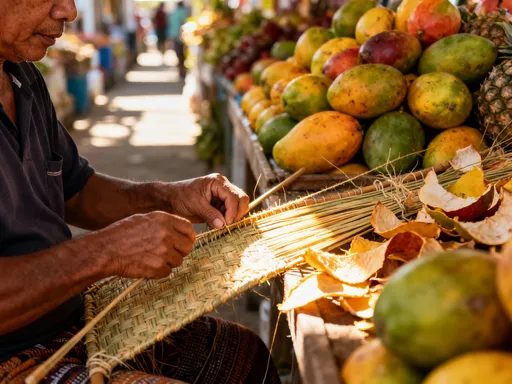
At the center of Koror’s vibrant shopping culture stands the Koror Central Market, a bustling hub where sight, scent, and sound converge in a celebration of island life. Open daily from early morning until mid-afternoon, the market pulses with energy. Brightly colored tarps shade rows of stalls overflowing with fresh produce, fragrant herbs, handmade crafts, and warm, freshly baked goods. The air carries the sweet tang of ripe mangoes, the earthy aroma of taro root, and the smoky hint of grilled coconut bread. Vendors call out greetings in Palauan and English, their voices blending with the rustle of banana leaves and the clink of glass bottles as iced drinks are poured.
Walking through the market is like stepping into a living catalog of Palauan daily life. Stalls overflow with tropical fruits you may have never seen before—soursop with its spiky green skin, starfruit sliced into perfect geometric stars, and deep purple baboon fruit that tastes like a cross between banana and pineapple. Vegetables like giant swamp cabbage and long beans hang in bundles, while baskets of yams and sweet potatoes speak to the island’s agricultural roots. Seafood lovers will find trays of glistening reef fish, plump octopus, and live crabs scuttling in shallow bins. Everything is fresh, locally sourced, and displayed with quiet pride.
But the market is more than just a place to buy food—it’s a social space where culture is preserved and passed on. Many vendors are multi-generational families who have sold at the market for decades. One elderly woman, seated behind a tray of purple yam dumplings wrapped in banana leaves, shared that her grandmother once sold the same recipe here. Her hands, wrinkled but sure, folded each dumpling with precision. “This is how we keep our food alive,” she said with a smile. These personal connections transform a simple purchase into a meaningful exchange. Bargaining is rare and often unnecessary; prices are fair and transparent, reflecting the real cost of labor and ingredients. Visitors are encouraged to ask questions, show interest, and accept a sample when offered—it’s all part of the unspoken welcome.
Beyond Souvenirs: Discovering Authentic Palauan Craftsmanship
While the market offers a feast for the senses, some of Koror’s most profound shopping experiences lie in the quiet corners where traditional craftsmanship thrives. Far from mass-produced trinkets, authentic Palauan art tells stories of heritage, identity, and connection to the land and sea. Woven mats made from pandanus leaves, intricately patterned with natural dyes, are more than floor coverings—they are symbols of hospitality and respect, often presented during ceremonies and family gatherings. Each mat can take weeks to complete, with weavers following patterns passed down through generations.
Equally striking are the shell necklaces and bracelets crafted from locally gathered materials. Cowrie shells, black-lipped oyster fragments, and tiny cone shells are carefully selected, drilled, and strung by hand. Some designs follow ancient patterns, while others reflect modern interpretations of island life—waves, fish, and sea turtles reimagined in delicate arrangements. Meeting the artisans behind these pieces adds depth to their beauty. One craftswoman, working under a shaded porch near her home, explained that each necklace she makes carries a wish for the wearer—protection, peace, or good fortune. “When I work, I think of the ocean giving us these gifts,” she said. “I want others to feel that too.”
Woodcarving is another revered art form, with local artisans shaping breadfruit and ebony wood into ceremonial bowls, figurines, and decorative panels. These carvings often depict ancestral motifs, ocean spirits, or symbols of unity and strength. Unlike tourist-market carvings made from imported wood, authentic pieces are crafted with intention and respect. Many artisans welcome visitors to their small workshops, offering demonstrations and insights into the cultural significance of their work. Purchasing one of these items isn’t just about owning a beautiful object—it’s about supporting a living tradition. Every woven mat, every shell necklace, every carved bowl represents hours of skill, patience, and cultural continuity. In a world of fast fashion and disposable goods, these creations stand as quiet acts of resistance—a reminder that true value lies in time, care, and meaning.
Hidden Boutiques and Island Chic: Koror’s Quiet Fashion Pulse
Beyond the markets and craft stalls, Koror harbors a subtle but growing fashion scene that blends island practicality with understated elegance. Scattered along quiet side streets and tucked into residential neighborhoods are small boutiques offering clothing that reflects the rhythm of island life. These are not flashy stores with neon signs, but modest shops with hand-painted signs and breezy interiors where ceiling fans turn slowly overhead. Here, you’ll find lightweight dresses in floral prints inspired by local hibiscus and frangipani, loose linen shirts dyed with natural pigments, and swimwear made from recycled ocean plastics—functional, beautiful, and deeply connected to place.
What sets these boutiques apart is their emphasis on local design and sustainable materials. Many pieces are created by Palauan women who draw inspiration from their surroundings—the turquoise waters, the rustle of palm leaves, the patterns of fish scales. One shop owner, a former teacher turned designer, explained that her clothing line began as a way to preserve traditional textile patterns in modern forms. “I didn’t want these designs to disappear,” she said, holding up a dress with a geometric motif based on ancient canoe carvings. “Now, women wear them to church, to family events, even on vacation. It keeps our culture alive in everyday life.”
These small fashion ventures also play a quiet but important role in the local economy. By sourcing fabrics locally when possible, employing community members, and reinvesting profits into training programs, they contribute to sustainable development. For travelers, shopping in these boutiques offers more than a new outfit—it’s a chance to support women-led businesses and ethical fashion. Unlike global brands that flood islands with cheap imports, these shops offer pieces that feel personal and purposeful. A simple cotton blouse becomes more than clothing; it’s a statement of appreciation for island artistry and environmental responsibility. In a place where the ocean is sacred and the land is cherished, fashion here is not about trends—it’s about harmony.
Shopping with Purpose: Ethical Choices and Community Impact
One of the most powerful aspects of shopping in Koror is the opportunity to make choices that directly support local families and preserve cultural authenticity. In many tourist destinations, souvenirs are mass-produced overseas and sold in generic shops with little connection to the place. In Koror, the opposite is true. When you buy a handwoven mat, a shell necklace, or a locally made dress, you’re not just purchasing a product—you’re contributing to a household, a tradition, and a community’s resilience. This shift from consumption to contribution is at the heart of ethical tourism.
Local artisans and small business owners rely on tourism as a vital source of income. Many are parents, elders, or students working to supplement their livelihoods. A young woman selling coconut oil balms at the market explained that her sales help pay for her younger brother’s school supplies. “Every bottle I sell means one less worry for my family,” she said. These personal stories are not exceptions—they are the norm. By choosing to buy directly from individuals rather than large importers, travelers ensure that their money stays within the community, circulating in ways that uplift rather than exploit.
Supporting local also helps protect Palauan culture from being diluted by global commercialization. When tourists demand authentic, handmade goods, it encourages artisans to continue their work and pass it on to younger generations. Conversely, when cheap, foreign-made souvenirs dominate the market, traditional skills risk fading away. Conscious shopping becomes an act of cultural preservation. Travelers don’t need to spend large amounts to make a difference—even a small purchase, made with intention, sends a message: we value your craft, your time, your story. In this way, shopping in Koror transcends commerce; it becomes a quiet partnership between visitor and host, built on respect and shared humanity.
Practical Tips for a Smooth Shopping Experience in Koror
To fully enjoy Koror’s shopping culture, a few practical considerations can make your experience more comfortable and rewarding. First, timing matters. The best hours to visit markets and small shops are in the morning, between 7:00 and 10:30 a.m., when temperatures are cooler and produce is at its freshest. By early afternoon, the sun intensifies, and many vendors begin to pack up. Weekdays tend to be less crowded than weekends, offering a more relaxed pace for browsing and conversation.
Another key point: Koror operates largely on a cash-based economy. While some larger stores may accept credit cards, most markets and small boutiques rely on cash transactions. It’s wise to carry small denominations of U.S. dollars, as Palau uses the American currency. Prices are generally modest—fresh fruit costs a few dollars per pound, handwoven items range from $20 to $100 depending on size and complexity, and clothing items typically fall between $30 and $60. Tipping is not expected, but rounding up or leaving a small extra amount is appreciated as a gesture of goodwill.
Getting around is simple but requires some planning. Koror is compact enough to explore on foot, especially in the central market area. For more distant shops or workshops, renting a bicycle is an eco-friendly and enjoyable option. Local shuttle vans, known as “public cars,” follow set routes and offer affordable rides between neighborhoods. These shared vehicles are a great way to observe daily life and chat with residents. If you’re visiting multiple locations in one day, consider starting early, carrying water, and wearing breathable clothing. Sunscreen and a hat are essential. Above all, approach shopping with patience and openness—some shops may not have signs, hours may be flexible, and language barriers may require simple gestures. These are not inconveniences; they are part of the authentic rhythm of island life.
From Purchase to Memory: How Shopping in Koror Becomes a Keepsake Journey
Back home, the items I brought from Koror sit not in a drawer, but in places of honor—a woven mat beneath my coffee table, a shell necklace on my dresser, a hand-carved spoon in my kitchen. Each one carries more than aesthetic value; it carries memory. I remember the woman who wove the mat, her fingers moving with quiet precision. I recall the artisan who strung the necklace, her laughter blending with the sound of the sea. These objects are not just souvenirs—they are vessels of connection, each one a thread linking me to a moment, a person, a culture.
This is the quiet magic of shopping in Koror: it transforms the act of buying into an act of remembering. In a world where so much is disposable, these items endure not because of their material worth, but because of the care embedded in their making. They remind us that behind every product is a human hand, a story, a life shaped by place and tradition. When we choose to engage with shopping in this way, we stop being mere consumers and become storytellers—keepers of moments that might otherwise go unnoticed.
Travel has the power to change us, not through grand gestures, but through small, meaningful interactions. A smile exchanged at a market stall, a recipe shared over a cup of coconut tea, a handmade gift wrapped in banana leaf—these are the experiences that linger. Koror teaches us that shopping need not be transactional. It can be relational. It can be reverent. It can be a way of honoring the people whose land we visit and whose lives we briefly touch.
To future travelers, I offer this: when you come to Koror, look beyond the surface. Seek out the quiet workshops, the family-run stalls, the hidden boutiques where island soul lives in every stitch, every carving, every weave. Ask questions. Listen. Let the rhythm of the island guide your choices. And when you bring something home, know that you’re not just carrying an object—you’re carrying a piece of a story, a gesture of connection, a quiet act of respect. Let your journey be shaped not by what you buy, but by the people you meet along the way.