You Won’t Believe These Hidden Architectural Gems in Bora Bora
When you think of Bora Bora, turquoise waters and overwater bungalows probably come to mind—but there’s so much more beneath the surface. I was blown away by the island’s unique architectural details, quietly blending Polynesian tradition with modern luxury. From thatched-roof villas to clever lagoon-level designs, these hidden features aren’t just beautiful—they’re smart, sustainable, and deeply cultural. This is not just a paradise of views; it’s a masterclass in island design.
Beyond the Postcard: Discovering Bora Bora’s True Design Soul
Bora Bora is often celebrated for its postcard-perfect scenery: the volcanic peak of Mount Otemanu rising from a lagoon of shimmering blues, fringed by coral motus and dotted with luxurious resorts. Yet beyond the glossy imagery lies a quieter, more profound truth—this island’s beauty is not only natural but deeply architectural. Its buildings, both ancient and contemporary, reflect a harmonious relationship between people and environment. The true soul of Bora Bora reveals itself not just in sunsets, but in the curve of a roofline, the height of a foundation, and the orientation of a window catching the trade winds.
For decades, tourism has spotlighted the island’s visual drama, but few travelers pause to consider how its structures are shaped by necessity, wisdom, and identity. Architecture here is never arbitrary. Every elevation, material choice, and spatial layout responds to the island’s tropical climate, isolation, and cultural heritage. Raised floors prevent moisture damage, open layouts encourage airflow, and natural shading reduces reliance on artificial cooling. These are not modern innovations—they are refinements of ancestral knowledge passed down through generations of Pacific Islanders.
Understanding this dimension transforms the travel experience. Instead of merely admiring a resort from a lounge chair, visitors begin to see how design supports sustainability, comfort, and cultural continuity. The island’s built environment becomes a silent guide to its values—respect for nature, community resilience, and quiet elegance. By looking beyond the surface, travelers gain a deeper appreciation for how Bora Bora has maintained its authenticity even as it welcomes the world.
The Legacy of Polynesian Design: Thatched Roofs, Natural Materials, and Open Spaces
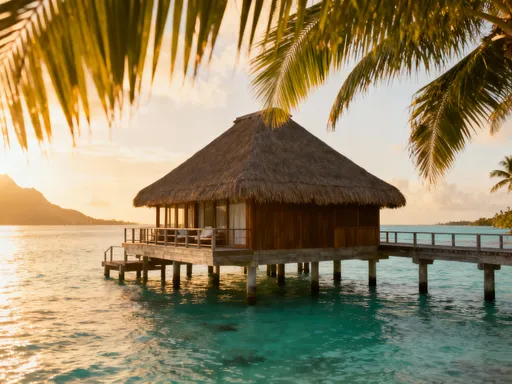
At the heart of Bora Bora’s architectural identity lies the enduring influence of traditional Polynesian design. Long before luxury resorts dotted the shoreline, islanders built homes and communal spaces using materials drawn directly from the land and sea. The most iconic element—thatched roofing—remains a defining feature across both modest homes and high-end accommodations. Crafted from woven pandanus leaves or coconut palm fronds, these roofs are more than decorative; they provide exceptional insulation, shedding heavy tropical rain while allowing hot air to rise and escape.
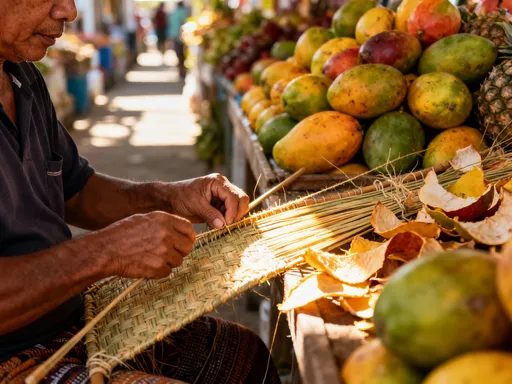
What makes these thatched roofs so effective is their craftsmanship. Local weavers, often women trained from childhood, create dense, layered coverings that can last up to ten years with proper maintenance. The steep pitch of the roof is not merely aesthetic—it ensures rapid water runoff during frequent downpours, protecting the structure beneath. These roofs also age gracefully, their golden tones softening to silver-gray over time, blending naturally with the island’s palette. In many family compounds, you’ll still find standalone thatched huts used for cooking, gathering, or ceremonial purposes—living testaments to a design language that prioritizes function and harmony.
Equally important is the use of raised wooden platforms. Traditional Polynesian homes are elevated on stilts or stone foundations, a practice rooted in both practicality and cultural symbolism. Elevation protects against flooding and allows cooling breezes to circulate underneath, reducing indoor humidity. It also creates shaded outdoor space beneath the house—ideal for relaxing during the heat of the day. The open-sided design, with minimal walls and wide overhangs, encourages cross-ventilation, making air conditioning unnecessary in many cases.
Today’s resorts honor these principles, often incorporating open-air living areas, high ceilings, and natural ventilation into their villas. Some properties even partner with local artisans to source authentic thatching, supporting traditional skills while ensuring authenticity. This continuity between past and present shows how Polynesian design is not frozen in time, but a living, evolving practice that continues to inform how people live well in harmony with the tropics.
Overwater Bungalows: Engineering Meets Elegance on the Lagoon
No symbol of Bora Bora is more iconic than the overwater bungalow, yet few realize the sophisticated engineering behind these seemingly simple structures. Floating gracefully above the lagoon, they appear to defy gravity, but their stability and comfort are the result of meticulous planning and adaptation. These bungalows are not just romantic retreats—they are feats of environmental intelligence, designed to coexist with the delicate marine ecosystem while offering unparalleled luxury.
Each bungalow is anchored to the seabed using reinforced pilings driven deep into the coral substrate. These supports are carefully spaced and positioned to minimize disruption to marine life, avoiding sensitive reef zones. The spacing between pilings allows water to flow freely, preserving natural currents and preventing sediment buildup. In some cases, eco-conscious resorts use adjustable foundations that can be raised or lowered in response to changing water levels, a forward-thinking approach in the face of climate change.
Inside, the design prioritizes both comfort and sustainability. Large glass floor panels are a beloved feature, allowing guests to watch reef fish swim beneath their feet. But these panels also serve a functional purpose: they reduce the need for artificial lighting during the day by letting natural light penetrate into lower levels. Windows and sliding doors are strategically placed to capture the prevailing southeast trade winds, promoting passive cooling. High ceilings and ceiling fans further enhance airflow, making air conditioning optional in many units.
Energy efficiency is another priority. Many modern bungalows integrate solar panels on rooftops or adjacent structures, reducing reliance on diesel generators. Water conservation systems, such as low-flow fixtures and greywater recycling, are increasingly common. Even the materials used—such as sustainably harvested hardwoods and non-toxic sealants—reflect a growing commitment to environmental responsibility. The overwater bungalow, once seen as a symbol of indulgence, has evolved into a model of thoughtful, low-impact design.
Resort Architecture as a Cultural Narrative: How Design Tells a Story
In Bora Bora, luxury resorts do more than provide comfort—they tell stories. Every element, from the layout of pathways to the carvings on a doorframe, can be a deliberate expression of Tahitian heritage. Unlike generic tropical resorts elsewhere, the island’s top properties integrate cultural narratives into their very foundations, creating immersive experiences that go beyond aesthetics.
One of the most powerful ways this is achieved is through symbolic layout. Some resorts are designed in the shape of traditional Polynesian canoes or arranged to mirror the island’s volcanic silhouette. Others align buildings with celestial patterns, reflecting ancient Polynesian navigation traditions. These subtle gestures connect guests to the island’s history and cosmology, even if they’re unaware of the deeper meaning. Walking through such a space becomes a quiet journey through time and identity.
Art and craftsmanship are also central to the storytelling. Many resorts commission local woodcarvers, weavers, and painters to create custom pieces for their interiors and exteriors. Intricately carved entry posts often depict ancestral figures or deities from Tahitian mythology, serving as both decoration and spiritual guardians. Wall murals may illustrate legends of creation or voyaging, while textiles feature traditional tapa patterns made from beaten bark cloth. These elements are not mere souvenirs—they are living expressions of cultural pride.
Even the choice of names carries significance. Villas may be named after historic chiefs, native plants, or sacred sites, inviting guests to learn about their meaning. Some resorts offer guided cultural walks that explain the symbolism behind architectural choices, turning a stay into an educational experience. This thoughtful integration ensures that modern luxury does not erase tradition, but elevates it—allowing visitors to feel the heartbeat of the island through its built environment.
Hidden in Plain Sight: Lesser-Known Structures with Big Impact
While resorts capture the spotlight, some of Bora Bora’s most meaningful architecture exists beyond the tourist path. Scattered across the island are community buildings, family homes, and ceremonial spaces that embody the same design intelligence but with greater humility and purpose. These structures may lack the polish of five-star accommodations, but they reveal the true rhythm of island life and the enduring wisdom of local building practices.
One such example is the fare, a traditional family dwelling often found in residential areas. Typically built on a raised platform with a thatched roof and open sides, the fare is designed for social living and climate resilience. Families gather here for meals, celebrations, and daily life, protected from rain and sun while remaining connected to the outdoors. Unlike private bedrooms in Western homes, sleeping areas are often shared, reinforcing bonds of kinship and mutual care.
Another underappreciated structure is the meeting house or community hall, known locally as a fare kōrero or maneapa. These larger buildings serve as venues for gatherings, religious services, and cultural events. Constructed with robust wooden frames and expansive roofs, they are built to accommodate groups and withstand tropical storms. Their central location in villages underscores their role as social anchors—places where decisions are made, stories are shared, and traditions are passed down.
Visitors are rarely invited inside these private spaces, and rightly so—respect for local customs is essential. However, observing them from a distance offers valuable insight. Their simplicity, durability, and integration with the landscape speak volumes about values that prioritize community, sustainability, and resilience. For the mindful traveler, appreciating these everyday structures fosters a deeper connection to the island’s soul, reminding us that true beauty often lies in functionality and belonging, not just luxury.
Sustainable by Design: How Bora Bora Builds for the Future
As a low-lying island nation, French Polynesia faces significant challenges from climate change, including rising sea levels, stronger storms, and coastal erosion. Bora Bora, though small, is at the forefront of sustainable architecture, blending ancestral wisdom with modern innovation to build a resilient future. The island’s architects and planners are rethinking how structures are designed, constructed, and maintained, ensuring that development does not come at the cost of environmental integrity.
One of the most widespread sustainable practices is rainwater harvesting. Given the island’s limited freshwater sources, many homes and resorts rely on rooftop catchment systems that channel rain into large storage tanks. These systems are often integrated into the architectural design, with gutters and downspouts concealed within decorative elements. Treated and filtered, this water is used for drinking, cooking, and bathing, reducing dependence on imported bottled water and energy-intensive desalination.
Solar energy is another key component. Bora Bora enjoys abundant sunshine year-round, making photovoltaic panels a logical choice. Many new buildings incorporate solar arrays into their roofs or adjacent structures, sometimes disguised as shade canopies over walkways or parking areas. Battery storage systems allow energy to be used at night, reducing the need for fossil fuel generators. Some resorts have achieved near-energy independence, setting an example for sustainable tourism in remote locations.
Material sourcing is equally important. Reclaimed wood, recycled metal, and locally harvested stone are increasingly used in construction, minimizing the carbon footprint of importing materials. Builders also favor natural, breathable finishes that resist mold and require less chemical maintenance. Landscaping plays a role too—native plants are used extensively in gardens and buffer zones, stabilizing soil, attracting pollinators, and reducing the need for irrigation.
These efforts are not just technical—they reflect a cultural shift. There is growing recognition that preserving Bora Bora’s beauty requires more than clean beaches and clear waters; it demands responsible building. By combining tradition with innovation, the island is proving that sustainability and elegance can coexist, offering a blueprint for other tropical destinations facing similar challenges.
Traveler’s Guide: How to See and Appreciate Bora Bora’s Architectural Details
Most visitors to Bora Bora focus on snorkeling, sunbathing, and sunset cruises—but with a little awareness, anyone can become an observer of its architectural wonders. The key is shifting perspective: instead of seeing buildings as backdrops, start noticing how they interact with light, wind, water, and culture. Even small details—a roof angle, a carved post, a shaded courtyard—can reveal layers of meaning and ingenuity.
To begin, choose accommodations that emphasize authentic design. Some resorts specialize in traditional-style villas with thatched roofs, open layouts, and natural materials. Look for properties that highlight their cultural partnerships or sustainability efforts in their descriptions. Staying in an overwater bungalow offers a unique vantage point, but also spend time exploring the main island. Guided cultural tours, though less common than boat excursions, are occasionally offered by local cooperatives and provide rare insights into community architecture and daily life.
When walking through villages or visiting local markets, do so with respect. Observe without intruding—avoid photographing private homes or sacred spaces without permission. Instead, engage with artisans at craft fairs or cultural centers, where you can learn about building materials and techniques firsthand. Ask questions about the meaning behind carvings or the process of thatching. Many locals are proud of their heritage and happy to share, especially when approached with genuine interest.
Finally, slow down. Architecture reveals itself over time. Sit under a thatched roof during a rainstorm and listen to the rhythm of water on leaves. Notice how the afternoon light filters through latticework. Feel the coolness of a raised floor as ocean breezes flow beneath. These sensory experiences connect you to the intelligence behind the design. By paying attention, you transform your trip from a passive escape into an active discovery—one that honors not just the beauty of Bora Bora, but the wisdom embedded in its walls, roofs, and foundations.
Bora Bora’s beauty isn’t just skin-deep—it’s embedded in every beam, thatch, and blueprint. By noticing its architectural soul, travelers gain a richer, more respectful connection to this paradise. These designs are not just shelters; they’re silent storytellers of culture, climate, and craftsmanship. Next time you visit, look beyond the view—because the real magic is in the details.