Hidden Bites: Auckland’s Secret Spots Where Locals Eat
You know that feeling when you’re tired of tourist traps and just want to eat where the locals do? That’s exactly why I started digging into Auckland’s under-the-radar food scene. Away from the harbor crowds and flashy restaurants, there’s a whole world of specialty dining hiding in plain sight—think cozy neighborhood kitchens, family-run ethnic eateries, and unexpected culinary gems tucked into quiet suburbs. This isn’t just about food; it’s about connection, authenticity, and discovering a city one bite at a time. For travelers seeking more than postcard views, these hidden meals offer a deeper, richer understanding of what makes Auckland truly unique.
The Allure of Off-the-Beaten-Path Dining
There’s a quiet magic in stepping into a small eatery where no menus are printed in five languages, where the owner greets regulars by name, and where the smell of slow-cooked spices fills the air before you even open the door. This is the essence of off-the-beaten-path dining—a shift away from curated experiences toward real, unfiltered moments. For many travelers, especially those in their 30s to 50s who value meaningful connections over checklist tourism, these meals become the emotional anchors of a trip. They remember not just the flavor, but the warmth of a server offering a sample with a smile, or the way a dish reminded them of home—even if they’d never tasted it before.
Mainstream restaurant guides often prioritize visibility over authenticity. Places with polished websites and prime locations near landmarks dominate search results, while truly special spots remain undiscovered by algorithms. Yet, it’s in these overlooked corners that travelers encounter the soul of a city. Eating where locals eat allows visitors to step into daily life, even if just for an hour. It transforms a visit from observation to participation. A simple meal at a neighborhood canteen becomes a window into family traditions, migration stories, and cultural pride. This kind of immersion doesn’t require grand gestures—just curiosity and the willingness to wander a few blocks beyond the main road.
For family-oriented travelers, particularly women who often lead trip planning, these authentic experiences carry added weight. They’re not only looking for good food but also safe, welcoming environments where children or companions feel comfortable. Hidden local spots often provide exactly that: clean, modest settings where kindness is part of the service. These meals feel earned, not sold. And because they reflect real life, they inspire stories that last far longer than any souvenir.
Auckland’s Culinary Mosaic: Beyond the Tourist Map
Auckland is one of the most ethnically diverse cities in the world, and its food culture mirrors that richness. Over a third of its residents were born overseas, bringing flavors from Samoa, Tonga, India, China, Vietnam, Lebanon, and beyond. This isn’t a city where fusion is a trend—it’s a way of life. But while the waterfront buzzes with modern cafes and international chains, the true heart of Auckland’s cuisine beats in its suburbs, where communities have built culinary traditions over decades.
Neighborhoods like Mount Eden, Sandringham, and Ōtāhuhu may not appear on every tourist map, but they are vibrant centers of cultural life. In Sandringham, often called the city’s unofficial food capital, a single block might host a Fijian curry house, a Korean barbecue, a Halal butcher, and a Lebanese bakery. These clusters aren’t accidental—they reflect decades of settlement patterns, where immigrant families opened businesses to serve their communities. As those communities grew, so did demand for authentic ingredients and home-style cooking, creating pockets of culinary excellence that remain largely unnoticed by visitors.
What makes these areas special is their lack of pretense. There are no themed interiors or curated playlists—just the hum of conversation, the clatter of pans, and the occasional radio playing in another language. A grandmother might be folding dumplings behind the counter while her grandson takes orders. A chef might step outside to chat with a neighbor before returning to stir a simmering pot. These moments aren’t staged; they’re part of the rhythm of daily life. And for travelers, they offer something increasingly rare: genuine human connection through food.
The influence of Māori and Pacific Island cultures adds another layer to Auckland’s culinary identity. While traditional hāngī (earth-cooked feasts) are more commonly experienced at cultural events, elements of Māori cooking—like the use of kūmara (sweet potato), rewena (fermented potato bread), and slow-roasting techniques—can be found in modern reinterpretations across the city. Meanwhile, Tongan, Samoan, and Fijian eateries bring bold flavors, hearty portions, and a deep respect for communal eating. These traditions emphasize abundance, generosity, and the idea that food is meant to be shared.
The Hunt for Hidden Kitchens
Finding Auckland’s best meals requires a different kind of navigation—one that values observation over optimization. Forget relying solely on star ratings or sponsored listings. Instead, the most reliable tools are your senses and your willingness to engage. Start by talking to people: baristas, shopkeepers, bus drivers. A simple “Where do you eat lunch?” can unlock a world of recommendations. Locals often take pride in their neighborhood spots and are happy to share, especially when they sense genuine interest.
Another powerful method is wandering. Some of the city’s most beloved eateries are found not through apps, but by walking. A handwritten sign in a shop window, a queue forming before noon, or the sight of a delivery van labeled in another language can all be signs of a place worth trying. These visual cues often signal authenticity—no marketing budget, just word-of-mouth loyalty. Markets like the Avondale Farmers Market or the Ōtara Market are also goldmines, offering everything from steamed buns to fresh coconut bread, often prepared on-site by the same families who have sold there for years.
Social media, when used wisely, can also guide discovery. Local food bloggers and Instagram accounts focused on Auckland’s suburban food scene often highlight places long before they gain wider attention. Unlike national influencers, these creators are usually residents who eat out of habit, not sponsorship. Their posts reflect real preferences, not paid promotions. Following a few trusted voices can help build a mental map of where to go—and when to arrive before the daily special sells out.
Timing matters, too. Many small kitchens operate on limited hours, often closing by early evening or only opening on certain days. Some are attached to churches or community centers, serving meals after weekend services. Others function more like takeaways, with minimal seating and a focus on speed and freshness. Knowing these rhythms increases the chances of a successful visit. It also helps set expectations: this isn’t fine dining. It’s food made with care, not spectacle.
Specialty Eats Worth the Detour
In Avondale, tucked between a laundromat and a hardware store, a small Fijian roti shop draws crowds with its golden, flaky flatbreads wrapped around spiced lentils, potatoes, or tender chicken. The scent of turmeric and cumin lingers in the air, and the staff moves with practiced ease, folding each parcel with care. The roti is best eaten fresh, while the crust still crackles under the fingers. It’s a humble meal, but one that carries generations of tradition—from Indian indentured laborers brought to Fiji in the 1800s to their descendants who now call Auckland home. Every bite tells a story of adaptation, resilience, and flavor.
Travel south to Mangere, and you’ll find a Tongan bakery where the ovens run early. Here, ‘ota ika (a citrus-marinated raw fish salad) and lu pulu (taro leaves wrapped in coconut cream and onions, then baked in banana leaves) are staples. But it’s the sweet breads that often draw return visits—soft, buttery rolls infused with vanilla or filled with coconut jam. These treats are more than snacks; they’re expressions of celebration and hospitality. In Tongan culture, food is a sign of welcome, and even a small bakery becomes a place of gathering, especially on Sundays after church.
In New Lynn, a modest kitchen serves Vietnamese-Cambodian fusion dishes that reflect the intertwined histories of Southeast Asian migration. A plate of bún (vermicelli noodles) might come topped with both lemongrass pork and a fish sauce caramelized duck, served with pickled vegetables and fresh herbs. The balance of sour, sweet, salty, and spicy is precise, the result of years of home cooking refined into a small-menu operation. The owner, a woman who arrived in New Zealand decades ago, still prepares many dishes by hand, adjusting seasonings based on instinct. Customers often remark not just on the taste, but on the care evident in every detail—from the warmth of the greeting to the extra lime wedge offered at the end.
These meals aren’t just delicious—they’re meaningful. They represent survival, identity, and love. They’re made by people who cook not for fame, but because it’s how they honor their roots and care for their communities. And for travelers, they offer a rare opportunity: to eat not as guests, but as participants in a living tradition.
Navigating the City Like a Local
Reaching these hidden spots doesn’t require a car, though it helps. Auckland’s public transit system, while not always intuitive to visitors, is reliable and affordable. The AT HOP card, a reusable smart card, works across buses, trains, and ferries, making it easy to move between suburbs. Most local eateries are within walking distance of a bus stop or train station, especially in areas like New Lynn or Ōtāhuhu. Planning a route using the Auckland Transport app can simplify the journey, but don’t be afraid to ask for help—drivers and fellow passengers are often happy to point the way.
Timing your visit around meal rushes can make a difference. Many small kitchens peak between 12:00 and 1:30 p.m. or again from 5:30 to 7:00 p.m. Arriving too late might mean missing out on the day’s best dishes, as portions are often limited and made fresh in batches. Some places don’t reheat food; they simply sell out and close. Calling ahead, if a number is listed, can save disappointment. And while cash is still accepted in many spots, an increasing number now support contactless payments, including mobile wallets.
When you arrive, a few simple courtesies go a long way. A smile, a “thank you,” and a willingness to follow the flow of the place—whether that means ordering at a counter, waiting for a table, or sharing a bench with strangers—show respect. Don’t expect a full English menu; if language is a barrier, pointing or asking for a recommendation is usually met with patience. Many owners appreciate the effort, even if the attempt is clumsy. And if a dish comes with unfamiliar sides or instructions—like wrapping food in lettuce leaves or mixing in a sauce at the table—don’t hesitate to ask how it’s meant to be eaten. Most are delighted to explain.
For families, these visits can be especially rewarding. Children often adapt quickly, drawn in by the sights and smells. Many local kitchens are used to younger guests and may offer smaller portions or simpler options. The informal atmosphere reduces pressure—there’s no need to whisper or worry about minor spills. Instead, meals become relaxed, joyful experiences, where eating slowly and savoring each bite is the norm.
Why These Meals Stick With You
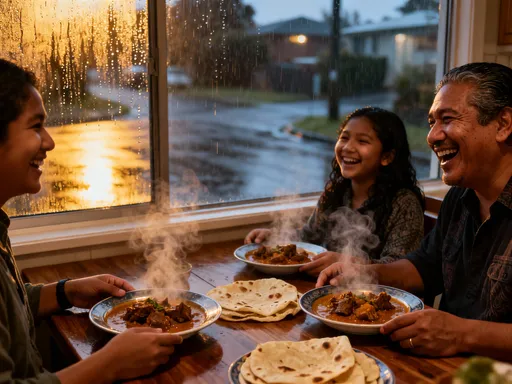
Years later, you might not remember the name of the restaurant or even the exact flavor of the dish. But you’ll remember the feeling. The way the steam rose from a bowl of soup on a rainy afternoon. The laughter from a nearby table where three generations shared a meal. The quiet pride in a cook’s voice as they described how their mother taught them to make dumplings. These moments linger because they feel real. They aren’t designed for social media—they’re part of someone’s everyday life.
Compare that to the fleeting satisfaction of a tourist-oriented meal: efficiently served, aesthetically pleasing, but emotionally hollow. There’s nothing wrong with convenience, but it rarely creates lasting memories. In contrast, a hidden kitchen meal often surprises. It challenges expectations. It might be spicier than anticipated, or served on a chipped plate, or require eating with your hands. But those small imperfections become part of the story. They signal authenticity. They remind you that you’re not just consuming a product—you’re witnessing a tradition.
For many women in their 30s to 50s, these experiences resonate deeply. They understand the labor behind a meal—the shopping, the prep, the cleanup. They recognize the love in a carefully spiced curry or a perfectly folded dumpling. And they appreciate the courage it takes to open a small kitchen in a new country, preserving culture through food. These meals aren’t just nourishing; they’re affirming. They remind us of shared values—family, hard work, generosity—no matter where we’re from.
That’s why, long after the trip ends, these meals stay with you. Not because they were perfect, but because they were human.
Traveling Deeper Through Food
Seeking out hidden bites isn’t just about finding good food—it’s about adopting a mindset. It’s choosing curiosity over convenience, connection over consumption. It’s understanding that the best travel experiences often come from slowing down, observing, and trusting the quiet signals of daily life. A line outside a shop. A menu written in another language. A smile from someone behind the counter. These are the real reviews.
Auckland, with its layered cultures and quiet culinary gems, invites this kind of travel. It rewards those who wander a little further, who ask questions, who are willing to try something unfamiliar. And in doing so, it offers more than flavors—it offers perspective. It shows how communities thrive, how traditions evolve, and how food becomes a language of its own.
So the next time you visit a new city, consider stepping off the main path. Let go of the need to see everything. Instead, focus on tasting one thing deeply. Talk to someone. Follow a scent. Let a meal lead you to a moment of connection. Because the richest travel memories aren’t made in landmarks—they’re made at tables, across from strangers who, for a brief moment, feel like family. In the end, it’s not about how many places you’ve been, but how deeply you’ve lived while you were there.