Guadalajara Unlocked: Cruising Through Mexico’s Beating Heart
Driving through Guadalajara feels like flipping through the pages of a living storybook—each district its own chapter, rich with color, rhythm, and soul. I hit the road with no rigid plan, just curiosity and a rental car, and what I discovered was beyond expectation. From cobblestone barrios humming with tradition to modern neighborhoods buzzing with energy, this city reveals itself best at 40 miles per hour. Let me take you through the streets that define Guadalajara—one turn at a time.
Why Guadalajara? The Allure of Self-Driving in Mexico’s Second City
Guadalajara, the capital of Jalisco, stands as a bridge between old-world charm and modern innovation. As Mexico’s second-largest city, it offers a travel experience that is both vibrant and accessible, particularly when explored by car. Unlike sprawling megacities where traffic can overwhelm, Guadalajara strikes a balance—its urban layout is expansive enough to offer variety, yet compact enough to navigate efficiently. This makes self-driving not just feasible, but deeply rewarding. Travelers who choose to drive gain a level of autonomy that transforms sightseeing into storytelling, allowing them to follow their instincts down tree-lined avenues or pause at a local market without adhering to a tour schedule.
One of the greatest advantages of driving in Guadalajara is the ability to move fluidly between neighborhoods that each possess a distinct identity. Public transportation, while improving, often requires transfers and fixed routes that can limit spontaneity. In contrast, a rental car enables seamless transitions—from the colonial heart of Zona Centro to the artistic alleys of Tlaquepaque, or the sleek towers of Andares. The city’s evolving infrastructure supports this flexibility, with well-maintained roads, clear signage in many areas, and a growing network of ring roads that help bypass congestion. The Macro Periférico, for instance, circles the city and connects major districts, offering a practical route for drivers who want to avoid downtown gridlock.
Safety is a common concern for international visitors considering driving in Mexico, but Guadalajara is widely regarded as one of the safer major cities for tourists. Petty crime exists, as in any urban center, but violent crime against visitors remains rare. Driving during daylight hours, avoiding isolated areas at night, and using reputable parking facilities significantly reduce risks. Many hotels and shopping centers offer guarded parking, often labeled as “estacionamiento vigilado,” which provides peace of mind. Additionally, rental agencies typically equip vehicles with GPS and roadside assistance, further enhancing the sense of security.
Parking in Guadalajara varies by neighborhood. In commercial zones, paid parking lots are common and reasonably priced. Some areas use metered street parking, while others rely on “franeleros”—individuals who manage informal parking spots. While their services are widespread, travelers should know that tipping is not mandatory, and some locals discourage the practice due to concerns about legitimacy. Opting for official parking structures, especially in busy districts, is often the wiser choice. Overall, the city’s manageable size, improving road conditions, and cultural richness make self-driving an ideal way to experience Guadalajara on a personal, immersive level.
Zona Centro: Where History Meets the Open Road
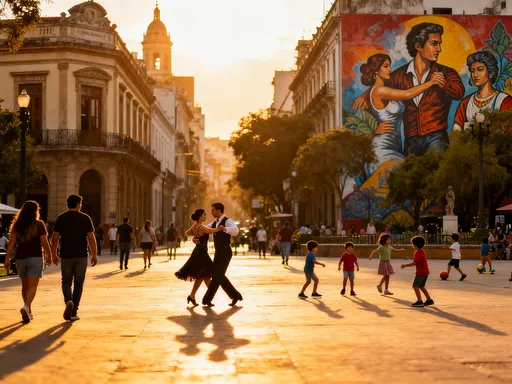
The historic heart of Guadalajara, Zona Centro, is where the city’s soul pulses strongest. Driving through this district is like stepping into a living museum—colonial-era buildings with ornate facades line wide boulevards, while the scent of fresh tortillas and blooming bougainvillea drifts through open windows. The centerpiece is the majestic Guadalajara Cathedral, its twin spires rising like sentinels over the skyline. As you approach from Avenida Juárez, the view unfolds dramatically, especially at sunset when the stone glows amber. Nearby, Plaza de Armas buzzes with life—mariachi musicians tune their guitars, children chase pigeons, and elders sip coffee under shaded arcades. This is not a static monument but a living, breathing space where history and daily life coexist.
Navigating Zona Centro by car requires a blend of patience and awareness. The streets are narrower than in modern districts, and one-way systems are common. Traffic can slow during peak hours, particularly on weekends when locals flood the area for markets and events. However, arriving early in the morning offers a different experience—quiet streets, golden light, and the chance to park closer to key landmarks. Legal parking options include several multi-level garages near Plaza de la Liberación and the Instituto Cultural Cabañas, a UNESCO World Heritage site. These facilities are secure and often cost between 30 to 50 pesos per hour, making them a reliable choice for visitors.
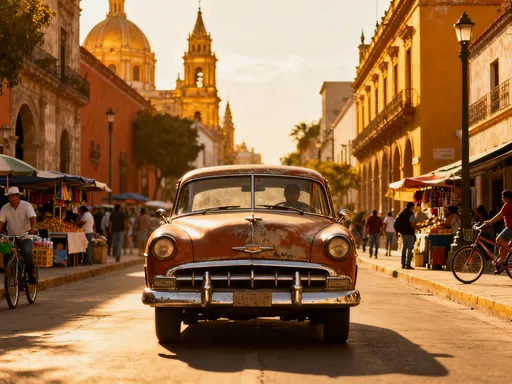
One of the joys of driving through Zona Centro is the ability to pause and absorb details that might be missed on foot. A slow cruise down Calle Morelos reveals hidden courtyards, hand-painted tiles, and family-run fondas tucked behind iron gates. The rhythm of the city becomes audible—the clatter of a street vendor’s cart, the laughter from a courtyard café, the distant chime of cathedral bells. For those interested in architecture, the contrast between Spanish colonial, neoclassical, and Art Deco styles is striking. Buildings like the Teatro Degollado, with its Greco-Roman columns and intricate dome, stand as testaments to the city’s layered past. Driving allows travelers to appreciate these details at their own pace, stopping to photograph or explore without time pressure.
To make the most of a visit, timing is key. Weekdays between 9 a.m. and 11 a.m. tend to be less crowded, offering smoother navigation and better parking availability. Sundays bring a different energy, with families strolling and street performers filling the plazas, but also heavier foot traffic and limited vehicle access in pedestrian zones. Some areas, like Calle Libertad, are closed to cars during festivals or special events, so checking local announcements in advance is wise. Overall, Zona Centro rewards the curious driver with a sensory-rich journey through Guadalajara’s cultural core.
Chapalita & Providencia: Urban Cool with a Local Pulse
Just west of the historic center, the neighborhoods of Chapalita and Providencia offer a different flavor of Guadalajara—one that blends cosmopolitan ease with authentic local life. These areas are known for their tree-lined avenues, boutique shops, and a relaxed yet sophisticated atmosphere. Driving through Chapalita, one notices the harmony between old and new: 20th-century homes with red-tiled roofs sit beside sleek design studios and minimalist cafés. The streets are wider and quieter than downtown, making for a more leisurely driving experience. Providencia, in particular, has become a hub for young professionals and creatives, with sidewalk bookstores, artisanal bakeries, and open-air galleries adding to its appeal.
One of the pleasures of exploring these neighborhoods by car is discovering the subtle contrasts that define them. A morning drive down Avenida López Mateos might begin with the aroma of fresh coffee from a specialty roaster, then pass a traditional market where abuelas bargain for chilies and herbs. Later, the same route reveals a modern coworking space or a pop-up art exhibit in a converted garage. This blend of tradition and innovation is emblematic of Guadalajara’s evolution, and driving allows travelers to witness it unfold block by block. The pace is slower, the traffic lighter, and the sense of immersion deeper than in more tourist-heavy zones.
Street parking in Chapalita and Providencia is generally available but requires attention to signage. Some blocks have time-limited parking, while others are residential-only during certain hours. Travelers should look for painted curbs—red indicates no stopping, yellow means loading only, and white allows short stays. In busier areas, such as near Parque Francisco Villa or the Andares commercial district, parking garages are plentiful and well-marked. These structures are safe and often include amenities like restrooms and security personnel. For those seeking a more relaxed experience, arriving in the late morning or early afternoon ensures better availability and a chance to enjoy outdoor dining or a stroll through a leafy plaza.
The cultural heartbeat of these neighborhoods is evident in their public spaces. Parque Agua Azul, for instance, is a favorite among locals for weekend walks, yoga sessions, and family picnics. Driving nearby allows visitors to observe daily rituals—children playing, couples chatting on benches, vendors selling elotes and aguas frescas. These unscripted moments offer a genuine glimpse into Mexican life, far removed from staged tourist performances. By car, travelers can visit multiple such spots in a single outing, creating a personalized itinerary that reflects their interests. Whether drawn to design, cuisine, or community life, Chapalita and Providencia deliver an urban experience that is both refined and rooted in tradition.
Tlaquepaque: A Cultural Gem Within Reach
A short 20-minute drive south of central Guadalajara, the town of Tlaquepaque feels like a journey into the soul of Mexican craftsmanship. Officially part of the Guadalajara metropolitan area, Tlaquepaque retains the charm of a small pueblo, with cobblestone streets, flower-filled balconies, and the constant hum of artistic creation. This is a place where pottery is not just sold but born—where clay is shaped by hand, glazed in vibrant colors, and fired in traditional kilns. Driving here offers unmatched flexibility, allowing visitors to stop at workshops, linger in plazas, and explore hidden courtyards without the constraints of public transit schedules.
The experience begins as you enter along Avenida Javier Mina, where hand-painted signs announce family-run galleries and ceramic studios. The air carries the earthy scent of clay and the sweetness of grilled pineapple from street vendors. At the heart of the town, Plaza Tlaltenango serves as a cultural anchor—surrounded by cafes, live music, and artisans displaying their wares. Mariachis often perform in the evenings, their trumpets echoing off centuries-old walls. Unlike more commercialized craft towns, Tlaquepaque maintains a deep connection to its roots, with many artists continuing techniques passed down through generations.
For drivers, parking is convenient and well-organized. Several public lots surround the main plazas, and many are attended, offering an extra layer of security. Some galleries and restaurants provide validation for parking fees, making longer visits more economical. The town’s compact size means that once parked, most attractions are within walking distance. However, having a car allows for side trips to nearby workshops or family-run eateries just outside the center. One such destination is a local birria stand, famous for its slow-cooked goat stew served with handmade tortillas. Reaching these spots by car enhances the authenticity of the experience, turning a simple meal into a culinary adventure.
Traffic flow into and out of Tlaquepaque is generally smooth, especially outside peak weekend hours. The roads are well-paved, and signage is clear, making navigation straightforward. GPS works reliably in the area, though occasional signal drops can occur in narrow alleys. A paper map or downloaded offline version is a useful backup. For those planning a full-day visit, combining Tlaquepaque with a stop in neighboring Tonalá—renowned for its pottery markets and Sunday tianguis (open-air market)—is highly recommended. Driving between the two takes less than 15 minutes, offering a rich immersion in Jalisco’s artisanal heritage. Tlaquepaque is not just a destination; it is a celebration of creativity, best experienced with the freedom that only a car can provide.
Andares & Zapopan: Modern Mexico on Four Wheels
To the north, the district of Zapopan represents Guadalajara’s modern face, anchored by the sleek Andares business and lifestyle complex. Driving into this area is a striking contrast to the historic south—the skyline shifts from colonial spires to glass towers, and the pace quickens with the flow of commerce and innovation. Andares is more than a shopping mall; it is a micro-city of luxury boutiques, gourmet restaurants, and corporate offices, all set within a thoughtfully designed urban space. The surrounding neighborhoods feature high-rise apartments, international schools, and modern parks, reflecting the aspirations of a growing middle and upper class.
The drive along Avenida Patria or the Macro Periférico offers panoramic views of this transformation. The road itself is smooth and well-lit, with clear lane markings and minimal congestion during off-peak hours. Access to Andares is straightforward, with multiple entry points and ample underground parking. The complex is designed with drivers in mind—drop-off zones, electric vehicle charging stations, and pedestrian bridges ensure a seamless experience. For visitors, this means the ability to enjoy a high-end meal, catch a movie, or shop for designer goods without the stress of unreliable transit or long walks in the heat.
Yet, modernity here does not erase tradition. Just minutes from Andares stands the Basílica de Nuestra Señora de Zapopan, a revered religious site that draws thousands every week. The juxtaposition is telling—a centuries-old pilgrimage route ends steps from a luxury mall, symbolizing the coexistence of faith and progress. On Thursdays, the “Romería” procession brings the city to a standstill as devotees walk from the cathedral in downtown Guadalajara to the basilica, a 5-mile journey filled with prayer and music. Driving through the area on other days reveals a different rhythm—yoga classes in the park, business meetings in rooftop cafes, and families enjoying weekend brunches.
For travelers, this district offers a chance to see how Guadalajara is shaping its future while honoring its past. The ease of access via major highways makes it a practical stop, whether for shopping, dining, or cultural observation. Evening drives along Avenida Américas are particularly scenic, with illuminated buildings and bustling terraces creating a vibrant urban tableau. While this part of the city may lack the rustic charm of Tlaquepaque or the historic depth of Zona Centro, it provides a necessary counterpoint—one that completes the portrait of a city in motion.
Hidden Corners: Offbeat Districts Only Drivers Discover
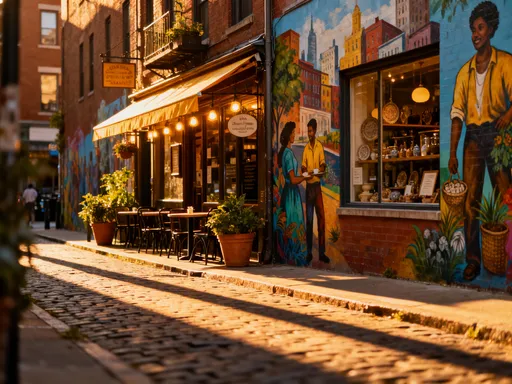
Beyond the well-trodden paths lie neighborhoods that reveal Guadalajara’s everyday soul—places like Americana, Colonia Moderna, and San Pedro. These districts are rarely featured in guidebooks, yet they offer some of the most authentic experiences in the city. Driving through them feels like being let in on a quiet secret. In Americana, early mornings bring the ritual of street barbers setting up chairs on the sidewalk, while women arrange fresh flowers outside small chapels. Colonia Moderna, with its grid of 1930s-era homes, exudes a nostalgic charm—pastel walls, wrought-iron grilles, and corner stores selling homemade tamales.
What makes these areas special is their lack of performance. There are no souvenir stands, no staged photo ops—just life unfolding naturally. A drive through San Pedro might reveal a family preparing for a quinceañera, their home adorned with balloons and banners, or a group of men playing dominoes under a palapa. These moments are fleeting, unrepeatable, and deeply human. Only with a car can a traveler move between such scenes with ease, capturing the rhythm of a city that is not just visited but lived.
Street parking in these neighborhoods is generally safe and available, though travelers should remain mindful of local norms. Avoid blocking driveways or private gates, and be aware of delivery times when streets may be temporarily restricted. Many residents are welcoming, often offering directions or smiles to curious visitors. For those interested in photography or cultural observation, early afternoon offers the best light and activity. These districts may not have the grandeur of a cathedral or the buzz of a mall, but they hold the quiet dignity of daily life—a reminder that cities are made not just of monuments, but of people.
Practical Tips & Final Thoughts: Driving Smart in Guadalajara
To make the most of a self-drive experience in Guadalajara, preparation is key. Fuel stations are plentiful and typically open from 6 a.m. to 10 p.m., with major brands like Pemex, Shell, and BP offering reliable service. Most stations are full-service, meaning attendants will pump gas, check oil, and clean windows—tipping 10 to 20 pesos is customary. For longer trips, such as a drive to Lake Chapala or the town of Tequila, using toll roads like the Guadalajara–Ciudad Guzmán highway ensures faster, safer travel. These carreteras are well-maintained, with rest stops, food vendors, and emergency call boxes.
GPS navigation works well in most areas, though occasional signal loss can occur in narrow streets or underground parking. Downloading offline maps through apps like Google Maps or Maps.me is a smart precaution. Road signs are generally in Spanish, so familiarity with basic terms—“centro,” “salida,” “prohibido estacionar”—is helpful. Speed limits vary: 50 km/h in residential zones, 60–80 km/h on main roads, and 100–110 km/h on highways. Speed cameras are common, and fines can be issued on the spot, so adhering to limits is essential.
Ultimately, driving through Guadalajara is more than a mode of transport—it is a way of seeing. Each neighborhood tells a story, and the car becomes a vessel for discovery. From the echoes of mariachi in Zona Centro to the quiet dignity of a neighborhood chapel at dawn, the city reveals itself in layers. Travelers who choose to drive do not just visit Guadalajara—they experience it, one thoughtful turn at a time. With respect for local customs, attention to safety, and an open mind, the road becomes a bridge to understanding, connection, and lasting memory. Let curiosity be your compass, and let Guadalajara unfold before you, one mile at a time.