You Won't Believe What I Ate While Wandering York's Hidden Corners
Wandering through York feels like stepping into a living storybook, where every cobblestone whispers history and every corner hides a flavor waiting to be discovered. I didn’t plan an itinerary—I let the scent of fresh bread and centuries-old alleys guide me. From medieval streets to cozy bakeries tucked away from the crowds, York’s food culture isn’t just about taste; it’s an immersive journey through time, tradition, and unexpected delights. In a world that moves too fast, York reminds us that the best experiences often come not from checking off landmarks, but from slowing down, breathing deeply, and allowing ourselves to be led by curiosity and appetite.
The Magic of Slow Travel in York
Traveling through York without a fixed plan is not a flaw—it is a philosophy. The city, with its winding lanes and hidden courtyards, rewards those who wander with intention yet without urgency. Unlike structured tours that move from one marked site to the next, aimless exploration allows the traveler to absorb the city’s rhythm, to notice the subtle details that define its character. The soft echo of footsteps on worn cobblestones, the sudden glimpse of ivy climbing an ancient stone wall, the distant chime of church bells—these are the moments that shape a deeper connection to place.
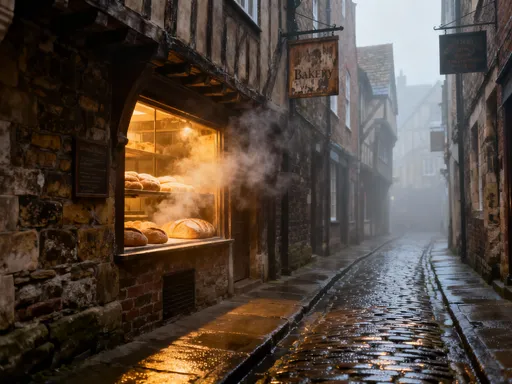
One of the most enchanting experiences is losing oneself in The Shambles, often cited as one of the best-preserved medieval streets in Europe. With its overhanging timber-framed buildings leaning so closely they nearly kiss overhead, the street feels like a portal to another era. But beyond the postcard-perfect façade lies a sensory journey. The air carries a layered fragrance—wood smoke, roasted coffee, and the faint sweetness of melting chocolate. These are not curated scents for tourists; they are the natural byproducts of daily life in a city where history and modernity coexist.
Walking without destination also opens the door to spontaneous encounters. A conversation with a local baker who recommends a tucked-away café. A chance discovery of a small courtyard where an elderly couple shares a quiet lunch under a blossoming cherry tree. These unplanned moments, fleeting and unscripted, often become the most cherished memories. They remind us that travel is not just about seeing new places, but about feeling them—through the soles of our shoes, the scent on the breeze, and the warmth of a freshly baked scone passed through a bakery window.
York’s Historical Flavors: Where Food Meets Heritage
York’s culinary identity is deeply rooted in its layered past. As a city shaped by Romans, Vikings, and medieval traders, its food traditions reflect centuries of cultural exchange and adaptation. The dishes enjoyed today are not mere recreations—they are living legacies, passed down through generations and still evolving with contemporary influences. To eat in York is to taste history, not as a museum exhibit, but as a vibrant, ongoing narrative.
Take Yorkshire pudding, for example—a humble yet iconic dish that originated as a way to stretch limited ingredients. Traditionally served before the main course to curb hunger, it was made from simple batter and baked beneath roasting meat, absorbing its drippings. Today, it remains a staple of Sunday roasts, a symbol of resourcefulness and comfort. Its presence on modern menus is a quiet nod to the ingenuity of past households, where nothing was wasted and every meal carried purpose.
Another enduring favorite is parkin, a dense, spiced cake made with oatmeal, black treacle, and ginger. With origins tracing back to Bonfire Night celebrations, parkin has long been associated with warmth and community. Its sticky texture and rich flavor develop even further after a day or two, making it a cake meant to be shared. Similarly, Wensleydale cheese—creamy yet crumbly, mild yet complex—has been produced in the Yorkshire Dales for over 800 years. Originally introduced by Cistercian monks, it remains a testament to the region’s pastoral traditions and commitment to quality.
These foods are more than sustenance; they are edible history. They connect the present to the past through taste, texture, and tradition. When a visitor bites into a slice of parkin or spreads Wensleydale on a warm biscuit, they are not simply eating—they are participating in a story that spans centuries.
Breakfast Like a Local: Cafés Off the Beaten Path
Mornings in York unfold at a gentle pace, and the city’s breakfast culture reflects this unhurried rhythm. While tourist-heavy zones buzz with espresso machines and pastry cases, the true essence of a York morning is found in independent cafés tucked down side streets or nestled behind quiet squares. These are places where regulars are greeted by name, where baristas take pride in their pour-over techniques, and where the menu changes with the season.
One such spot, just a short walk from the Minster, serves a breakfast that embodies local simplicity: thick-cut sourdough, toasted to a golden crisp, topped with Yorkshire honey and a smear of clotted cream. The bread, baked in-house the night before, carries a slight tang that balances the sweetness of the honey. Paired with a perfectly steamed flat white—creamy, rich, but never bitter—it is a meal that feels both indulgent and grounding.
Another favorite offers homemade granola, made with locally sourced oats, sunflower seeds, and a touch of maple syrup. Served with cold, full-fat milk and a handful of fresh berries, it is a dish that speaks to the region’s agricultural roots. The café itself is modest—wooden tables, mismatched chairs, a bookshelf filled with well-worn novels—but its warmth is immediate. There is no Wi-Fi, no loud music, just the quiet hum of conversation and the occasional clink of a spoon against a ceramic bowl.
For travelers seeking authenticity, the key is to look beyond the storefront. A café filled with locals in work clothes or parents with strollers is often a better sign than a crowded review rating. Simplicity on the menu—fewer than ten items, clearly listed, with an emphasis on fresh ingredients—usually indicates a focus on quality over spectacle. These are the places where breakfast is not a rushed pit stop, but a moment of pause, a chance to settle into the day with intention.
Marketplace Adventures: The Heartbeat of York’s Food Scene
If the soul of a city lives anywhere, it is in its markets. In York, the marketplace is not just a place to buy food—it is a living, breathing hub of community and culture. St. Sampson’s Square, with its weekly outdoor market, pulses with energy every Friday and Saturday. Farmers, bakers, and artisans gather to sell their wares, creating a mosaic of color, scent, and sound that draws both residents and visitors.
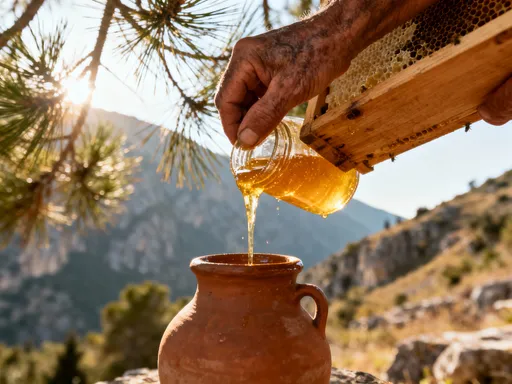
Rows of wooden stalls display seasonal produce: plump strawberries in early summer, crisp apples in autumn, and earthy root vegetables in winter. The colors shift with the months, reflecting the natural rhythm of the land. One vendor offers hand-churned butter, wrapped in parchment paper and stamped with a sun symbol. Another sells jars of honey harvested from hives on the outskirts of the city, each labeled with the name of the field where the bees foraged.
Artisan bakers display loaves with names like “Dales Rye” and “Heritage Wheat,” their crusts crackling faintly as they cool. Street food vendors offer regional specialties—pork pies with flaky golden crusts, ploughman’s lunches with sharp cheddar and pickled onions, and warm Scotch eggs wrapped in foil for easy eating on the go. The air is thick with the scent of frying onions, roasting chestnuts, and cinnamon-spiced cider simmering in a copper pot.
For the curious traveler, the market is also a place to learn. Vendors are often happy to share stories about their products—how a particular cheese is aged, why a certain apple variety is prized, or what makes local honey unique. These conversations add depth to the experience, transforming a simple purchase into a meaningful connection. The best time to visit is mid-morning, when the initial rush has settled but the stalls are still fully stocked. Arriving with an empty tote bag and an open mind makes all the difference.
Sweet Escapes: Bakeries and Patisseries with a Story
No exploration of York is complete without indulging in its rich pastry tradition. The city has long been a haven for bakers, from medieval pie-makers to Victorian confectioners. Today, small bakeries continue this legacy, crafting treats that are as much about craftsmanship as they are about flavor. These are not mass-produced sweets, but hand-shaped, slow-risen creations made with care and pride.
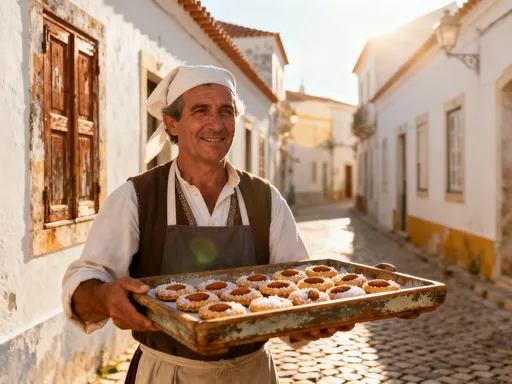
One bakery, tucked down a narrow lane near the city walls, is known for its Eccles cakes—small, flaky pastries filled with spiced currants and butter. The dough is rolled paper-thin, layered with butter, and folded repeatedly to create a delicate, shattering crust. Each bite releases a burst of warm fruit and a hint of nutmeg, a flavor profile that has remained unchanged for generations. The bakers rise before dawn to prepare the dough, allowing it to rest and chill at precise intervals—a process that cannot be rushed.
Another favorite specializes in gingerbread, a treat with deep roots in York’s culinary history. The city was once famous for its gingerbread fairs, where elaborately decorated cakes were sold as both food and souvenir. Today, the tradition lives on in simpler form: dense, moist loaves spiced with ginger, cinnamon, and cloves, often glazed with a thin layer of sugar icing. Some are shaped into hearts or stars, a nod to their festive origins.
The experience of entering these bakeries is as important as the food itself. The warmth hits first, followed by the rich aroma of baking dough and caramelized sugar. Glass cases glow under soft lighting, displaying rows of tarts, scones, and custard slices. There is a quiet reverence in the way customers place their orders, often asking for “the usual” or accepting a sample with a grateful smile. These bakeries are more than shops—they are neighborhood institutions, places where time slows and sweetness lingers.
Dinner with Atmosphere: Cozy Eateries in Ancient Settings
As evening falls, York transforms. The golden light of dusk settles on the stone buildings, and the city’s historic inns and restaurants begin to glow with candlelight. Dining in York is not just about the meal—it is about the setting, the ambiance, the sense of stepping into a centuries-old ritual. Many of the city’s best eateries are housed in timber-framed buildings dating back to the 15th and 16th centuries, their low doorways and uneven floors adding to the charm.
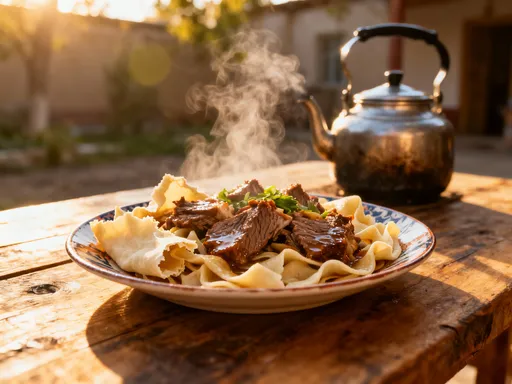
One such restaurant, located in a former merchant’s house, serves a menu rooted in Yorkshire’s agricultural abundance. The beef is sourced from nearby farms, grass-fed and slow-reared, resulting in a depth of flavor that factory-farmed meat cannot match. It is served with roasted root vegetables, braised red cabbage, and a generous helping of Yorkshire pudding—crisped at the edges, soft within. The wine list features English sparkling wines and regional ales, carefully selected to complement the hearty dishes.
Another favorite is a traditional pub with a hearth that crackles even in summer. The menu changes daily, depending on what is fresh and available. One evening might feature pan-seared trout from the River Ouse, another a venison stew with juniper and red wine. The staff, many of whom have worked there for decades, move through the room with quiet efficiency, refilling pints and offering recommendations with a smile.
What sets these places apart is not just the food, but the feeling they evoke. There is a sense of continuity, of sitting in a space where countless meals have been shared over hundreds of years. The walls, darkened by age and smoke, seem to hold the echoes of laughter and conversation. For diners, this creates a rare sense of belonging—a moment of connection not only to the food, but to the city itself.
How to Wander Wisely: Practical Tips for Food-Focused Exploration
To fully embrace the joy of culinary wandering in York, a few simple strategies can make all the difference. First and foremost, wear comfortable shoes. The city’s streets are cobbled, uneven, and often steep, and long days of walking demand footwear that supports without sacrificing style. Leather loafers or sturdy ankle boots are ideal—water-resistant if possible, as York’s weather can shift quickly.
Leave the map behind—or at least, don’t cling to it. While digital navigation has its place, the best discoveries happen when you allow yourself to get slightly lost. Turn down a side street that catches your eye. Follow the smell of baking bread. Pause to watch a street musician or examine a flower stall. These detours often lead to the most memorable meals.
Travel light. A small crossbody bag or backpack is sufficient for carrying a water bottle, a notebook, and a light jacket. Avoid bulky luggage or oversized purses that hinder movement and draw attention. The goal is to move freely, to stop and start without burden.
Be mindful of peak hours. Popular cafés and markets can become crowded between 10 a.m. and 12 p.m. Arriving earlier or slightly later often means shorter waits and more personal interactions with staff. Similarly, dinner reservations are wise for well-known restaurants, especially on weekends.
Finally, stay open to the unexpected. If a menu includes an unfamiliar dish, ask about it. If a vendor offers a sample, accept with gratitude. If a local suggests a hidden gem, follow the advice. The beauty of food-focused travel lies in its unpredictability—the joy of discovering something you never knew you were looking for.
Conclusion: Why York’s Soul Is Best Found Through Food and Footsteps
York is a city that reveals itself slowly, not through grand gestures, but through quiet moments—a shared smile with a shopkeeper, the warmth of a fresh loaf, the crunch of a perfectly baked tart. Its soul is not locked behind glass cases or listed on tourist brochures; it lives in the rhythm of daily life, in the way bread rises before dawn and markets hum with activity at midday.
By choosing to wander without agenda and to eat with curiosity, visitors do more than see York—they experience it. They connect with its history not through plaques and pamphlets, but through taste and touch. They understand its culture not through lectures, but through the generosity of a vendor offering a sample or the care of a baker shaping dough by hand.
In a world that often values speed and efficiency, York stands as a reminder that some things cannot be rushed. The best meals are often unplanned. The most meaningful discoveries happen when we are not looking. And the deepest memories are made not by ticking off sights, but by allowing ourselves to be present—on foot, on pause, and open to delight.
So the next time you find yourself in York, resist the urge to plan every hour. Put on your most comfortable shoes, leave the itinerary behind, and let your nose guide you. Follow the scent of cinnamon, the sound of a market bell, the sight of steam rising from a bakery vent. Let the city lead you, one bite at a time. You may not know exactly where you’re going—but you’ll remember every step of the way.