Hidden Gems & Local Crafts: Shirakawa-go’s Best-Kept Shopping Secrets
Nestled in the serene mountains of Japan, Shirakawa-go is more than just a postcard-perfect village with its iconic thatched roofs. Beyond the UNESCO-listed sights, I discovered quiet corners where tradition lives on in handmade crafts and family-run stalls. Shopping here isn’t about souvenirs—it’s about connection, authenticity, and bringing home a piece of rural Japan that feels truly meaningful. In a world where travel often means crowded markets and mass-produced trinkets, Shirakawa-go offers a rare alternative: a living village where every purchase supports generations-old craftsmanship and quiet acts of cultural preservation. This is not tourism as performance, but as participation.
The Charm of Shirakawa-go: More Than a Pretty Postcard
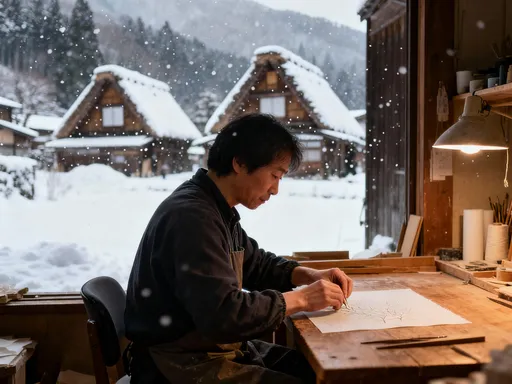
Shirakawa-go, nestled in Gifu Prefecture’s remote Hida region, has earned global recognition as a UNESCO World Heritage Site since 1995. Its sweeping gassho-zukuri farmhouses—named for their steep, thatched roofs resembling hands in prayer—stand as masterpieces of traditional Japanese architecture. Designed to withstand heavy snowfall, these multi-story homes were built without nails, using interlocking wooden joints that have held strong for centuries. The village’s isolation contributed to its preservation, shielding it from rapid modernization and allowing customs to endure in ways few places can match.
What sets Shirakawa-go apart is not only its visual beauty but the fact that it remains a lived-in community. Unlike reconstructed historical villages, this is not a museum exhibit. Families continue to reside in these homes, maintain rice fields, and pass down skills that define their way of life. Tourism is welcomed, but carefully managed—visitor numbers are monitored, construction is regulated, and noise is kept low to honor the rhythm of daily existence. This balance between accessibility and preservation creates a rare atmosphere where travelers can engage with culture in its most authentic form.
For the mindful traveler, especially one seeking meaningful experiences over checklist tourism, this context transforms shopping from a transaction into a quiet exchange. The items sold here—woven baskets, hand-carved utensils, fermented foods—are not made for display. They are tools of life, refined through generations, now shared with visitors who come not just to look, but to listen and learn. In this setting, every purchase becomes an acknowledgment of continuity, a small gesture that helps keep tradition alive.
Where Tradition Meets Craft: The Heart of Local Shopping
The crafts of Shirakawa-go are not decorative afterthoughts; they are born from necessity and shaped by season, terrain, and time. Local artisans work with materials drawn directly from the surrounding landscape—bamboo from mountain slopes, timber from sustainably managed forests, fibers from flax and hemp grown in nearby fields. These resources are transformed into functional art: washi paper lanterns that glow softly in winter homes, wooden ladles carved to last decades, and indigo-dyed textiles woven with patterns passed down through families.
One of the most distinctive crafts is the making of *washi* paper, a practice that dates back over a thousand years in Japan. In Shirakawa-go, some households still produce paper by hand using mulberry bark, water, and time. The process is slow and meditative—fibers are soaked, beaten, and lifted from wooden frames one sheet at a time. Visitors may find small paper goods such as notecards, bookmarks, or folding fans, each bearing the subtle texture and irregular edges that machine-made paper cannot replicate. These items are not marketed aggressively; they sit quietly on wooden shelves, waiting for someone who appreciates their story.
Woodworking is another cornerstone of local craftsmanship. With forests abundant, carpentry has long been a vital skill. Artisans carve everything from sake cups to storage boxes, often using *kiri* (paulownia) or *hinoki* (cypress) wood for its lightness and natural resistance to moisture. Some elders still practice *sashimono*, a traditional joinery technique that assembles pieces without nails or glue. While not all items are signed or labeled, their quality speaks clearly—the smooth grain, the balanced weight, the care in finishing. In several homes, visitors can observe craftsmen at work during daylight hours, their hands moving with the quiet precision of decades of repetition.
Equally important are the textiles. Women in the village have historically woven fabrics for family use, creating durable cloth for clothing, bedding, and household items. Today, some continue to produce *tsumugi* silk or cotton blends using handlooms. Scarves, table runners, and coasters may be available for purchase, often dyed with natural pigments like persimmon tannin or indigo. These textiles carry more than aesthetic value—they represent hours of labor, seasonal cycles of planting and harvesting fibers, and a deep understanding of material integrity. When a traveler buys one of these pieces, they are not just acquiring an object, but supporting a lineage of quiet resilience.
Must-Visit Shopping Spots: From Main Street to Hidden Corners
While Shirakawa-go does not have large shopping centers or commercial plazas, its retail charm lies in its simplicity and authenticity. Most shopping opportunities are clustered along the main path leading from the Ogimachi Bus Stop toward the village center and the iconic Shiroyama viewpoint. Here, a series of small, family-operated stalls and converted farmhouses serve as informal shops, often open only during daylight hours and closed on certain days depending on the season.
Near the bus stop, visitors will find a handful of low-key stores offering regional specialties. One may sell bundles of dried mountain vegetables—such as *warabi* (bracken fern) or *tara no me* (angelica shoots)—packaged in paper wraps tied with string. Another might offer jars of homemade miso, fermented for months in wooden crocks. These foods are not made for export; they are what locals eat, and their availability depends on harvest cycles and household production. Prices are modest, reflecting the cost of ingredients and labor rather than market speculation.
Further into the village, tucked beside footpaths and rice paddies, are quieter spots that require a bit more exploration. Some families open side rooms of their homes during peak seasons, displaying handmade soba noodles, pickled plums, or small wooden toys. These are not tourist traps—they lack signage, branding, or digital payment options. Transactions happen in cash, often with a bow and a few polite phrases in Japanese. The absence of commercial polish is part of the appeal; it feels like being invited into a home, even if only briefly.
Sake also plays a quiet but important role in local commerce. While there is no large brewery in Shirakawa-go, some households produce small batches of *jizake* (local sake) using rice grown in nearby terraced fields. Bottles may be found in wooden crates at roadside stands, labeled with simple calligraphy. These sakes are often unpasteurized and meant to be consumed fresh, with delicate flavors shaped by local water and fermentation techniques. Buying a bottle is not just a souvenir—it’s a taste of the village’s agricultural heart.
Seasonal Specials: What to Buy When
The rhythm of life in Shirakawa-go is deeply tied to the seasons, and so is the availability of crafts and food. Travelers who time their visit with the agricultural calendar will find shopping not only more rewarding but more meaningful. Each season brings its own offerings, reflecting what the land provides and what the people prepare for the months ahead.
Winter, when snow blankets the village in thick layers, is a time of indoor craftsmanship and warmth-focused goods. Artisans may be seen carving wood by the hearth, and visitors will find an abundance of items designed for comfort: hand-knitted wool socks, quilted cotton pouches, and wooden hot sake sets. These sets often include a small kettle and cups, perfect for warming drinks during cold evenings. Dried foods are also plentiful—bundles of smoked fish, preserved mushrooms, and vacuum-packed mochi rice cakes that can be grilled or simmered. The winter market atmosphere is hushed, with fewer tourists, allowing for longer conversations with shopkeepers and a deeper sense of connection.
Spring ushers in renewal, both in nature and in production. As snow melts and streams swell, villagers begin preparing fields for planting. This is the season of fresh wasabi, grown in cool, clear-water beds. Whole roots or grated paste may be available at select stalls, often accompanied by explanations of how it differs from the common horseradish-based imitation. Bamboo crafts also emerge during this time—baskets, steamers, and utensils made from newly harvested stalks. Lighter textiles appear as well, such as linen napkins and breathable scarves, dyed with seasonal plants like gardenia or safflower.
Summer brings an abundance of fresh produce and herbal products. Visitors may find jars of *yuzu* or *sudachi* citrus marmalade, herbal teas made from wild mint or mugwort, and hand-fanned cooling towels woven from absorbent cotton. This is also when some families offer freshly made soba noodles, sold in bundles tied with straw. The noodles are made from buckwheat grown locally and ground using stone mills, giving them a nutty flavor and firm texture. Buying them feels like participating in a daily ritual rather than a tourist transaction.
Autumn, the harvest season, is rich with preserved foods and woodworking. Pickled vegetables, fermented soybeans (*natto*), and jars of sweet chestnut paste become available. Woodworkers may display new pieces—cutting boards, spice grinders, or small decorative carvings—crafted during the quieter months. The air carries the scent of drying rice and burning wood, and the golden light enhances the warmth of handmade objects. Shopping in autumn feels like gathering provisions for the coming winter, a practice rooted in centuries of rural life.
How to Shop Respectfully in a Living Village
One of the most important aspects of shopping in Shirakawa-go is recognizing that this is not a theme park or a curated market district. It is a living, breathing community where people raise families, tend land, and maintain traditions. Every purchase should be made with awareness and respect. This begins with simple etiquette: speaking quietly, avoiding intrusive photography, and never entering private homes without invitation.
Flash photography, in particular, should be avoided, especially inside homes or workshops. Not only can it be disruptive, but it may damage delicate materials like old wood or paper. Instead, travelers are encouraged to observe with presence—watching how an artisan holds a chisel, listening to the sound of a loom, or noticing the way light falls on a woven textile. These moments of attention are often more valuable than any photograph.
Prices in Shirakawa-go reflect the true cost of handmade labor, not tourist markup. A small wooden spoon may cost more than a factory-made version, but that price includes years of skill, sustainable sourcing, and cultural continuity. Bargaining is not customary and can be seen as disrespectful. Instead, visitors should approach pricing with gratitude, understanding that they are contributing to the survival of a craft that might otherwise fade.
Language barriers can exist, but a few polite phrases in Japanese—such as *sumimasen* (excuse me), *arigatou gozaimasu* (thank you), or *kore wa nan desu ka?* (what is this?)—can go a long way in building connection. Even without fluent conversation, a smile and a bow convey respect. When possible, take time to listen to the stories behind the items. An elderly woman selling pickles may explain how her recipe has been in the family for generations. A woodworker might show how his father taught him to shape a handle for comfort and balance. These exchanges enrich the experience far beyond the object itself.
Beyond the Purchase: Why These Items Matter
In a globalized world where most goods are mass-produced and disposable, the crafts of Shirakawa-go stand as quiet acts of resistance. Each item carries not just utility, but memory—of hands that shaped it, of seasons that inspired it, of a community that sustains it. When a traveler buys a hand-carved ladle or a bundle of dried herbs, they are not just acquiring a souvenir. They are becoming part of a story that stretches back centuries.
More importantly, these purchases support the ongoing preservation of a fragile cultural ecosystem. Many artisans in Shirakawa-go are elderly, and younger generations face challenges in continuing these traditions due to urban migration and economic pressures. Every sale provides not just income, but validation—that what they do matters, that someone across the world values their work enough to bring it home. This recognition can be as sustaining as the financial support.
Bringing these items into one’s daily life creates a lasting connection. A washi paper lamp lit in a modern apartment casts a warm, uneven glow that recalls the hearths of mountain homes. A wooden sake cup used during a quiet evening meal becomes a vessel of memory. These objects do not need to be displayed as art; they are meant to be used, touched, and worn in. In doing so, they keep tradition alive not as a relic, but as a living practice.
There is also an environmental dimension. These crafts are inherently sustainable—made from renewable materials, produced in small batches, and designed to last. Unlike plastic souvenirs that end up in landfills, a handwoven basket or a ceramic tea bowl can serve for decades. Choosing them is not only a cultural gesture but an ecological one, aligning with values of simplicity, care, and responsibility.
Planning Your Visit: Practical Tips for a Smooth Experience
To fully appreciate Shirakawa-go’s shopping culture, thoughtful preparation is essential. The village is remote, accessible primarily by bus from Takayama or Kanazawa. Schedules are reliable but infrequent, especially in winter, so checking timetables in advance is crucial. The journey itself is part of the experience—winding mountain roads, changing foliage, and distant views of snow-capped peaks—but it requires patience and planning.
Timing the visit can greatly enhance the experience. Early mornings, especially on weekdays, offer the best chance to interact with artisans before crowds arrive. The village can become busy during weekends and holidays, particularly in autumn foliage season and winter snowscapes. For a quieter, more reflective visit, consider traveling in late spring or early summer, when the weather is mild and the landscape lush.
Another key consideration is payment. Most small shops and stalls operate on a cash-only basis. While larger gift shops near the visitor center may accept credit cards, family-run stalls rarely do. Travelers should carry sufficient yen in small denominations to make purchases smooth and respectful. ATMs in the area are limited, so withdrawing cash before arrival is advisable.
Language is another factor. While some shopkeepers speak basic English, especially in peak season, many do not. Carrying a small phrasebook or using a translation app can help bridge communication gaps. More importantly, approaching interactions with humility and patience fosters goodwill. A simple nod, a bow, and a smile often communicate more than words.
Finally, comfort and respect go hand in hand. Wear sturdy, quiet footwear suitable for walking on gravel paths and wooden floors. Dress in layers, as mountain weather can change quickly. And always remember: this is someone’s home. Voices should be kept low, litter disposed of properly, and private areas respected. When travelers embody these principles, they are not just visitors—they are honored guests.
Taking Home More Than a Souvenir
Shopping in Shirakawa-go is not about filling a suitcase with mementos. It is about carrying home something deeper—a sense of connection, a moment of understanding, a quiet acknowledgment of a way of life that persists against the tide of time. Each craft, each jar of pickles, each hand-folded paper lantern tells a story of resilience, care, and continuity.
In choosing to buy locally, thoughtfully, and respectfully, travelers do more than support an economy. They participate in preservation. They help ensure that the thatched roofs remain standing, that the looms continue to click, that the next generation hears the stories and learns the skills. These acts may seem small, but collectively, they sustain a cultural treasure.
When you return home and use that wooden spoon to stir soup, or light the washi lamp on a quiet evening, you are not just remembering a trip. You are continuing a tradition. And in that moment, Shirakawa-go lives on—not as a distant village, but as a presence in your daily life. That is the true gift of authentic travel: not what you see, but what you carry forward.