Lens on the Soul of the Silk Road: Osh Through My Camera
Have you ever pointed your camera at a place and felt like you were capturing more than just buildings or landscapes—but the actual heartbeat of a culture? That’s exactly what happened when I arrived in Osh, Kyrgyzstan. This ancient city isn’t just one of Central Asia’s oldest settlements; it’s a living canvas of color, texture, and tradition. From bustling bazaars to sacred mountain trails, every frame told a story deeper than I expected. Osh does not reveal itself in a single glance. It unfolds slowly, like the layers of a hand-embroidered suzani, each thread a clue to a past that still breathes in the present. For photographers seeking authenticity, Osh offers not just scenes, but soul.
Why Osh is a Photographer’s Dream
Osh stands where history has long converged—nestled in the Fergana Valley, it has been a crossroads of civilizations for over 3,000 years. As one of the oldest continuously inhabited cities in Central Asia, it served as a vital stop along the ancient Silk Road, where merchants, scholars, and pilgrims exchanged goods, ideas, and beliefs. Today, that legacy lives on in the city’s diverse population, where Kyrgyz, Uzbek, Dungan, and other communities coexist, each contributing to a rich cultural mosaic. This blend is not curated for tourists; it is lived, worn into the fabric of daily life, and visible in the way people dress, speak, cook, and pray. For a photographer, this means access to a depth of human experience rarely found in more homogenized destinations.
Unlike many historic cities that have been sanitized for tourism, Osh remains unpolished and unapologetically real. There are no velvet ropes or timed entry tickets here. Life unfolds in the open—on narrow alleyways, in courtyard homes, along riverbanks, and in open-air markets. This authenticity makes it ideal for documentary and street photography. Every corner offers a new narrative: a grandmother kneading dough in a clay oven, children chasing a deflated ball through the dust, a man repairing a wooden cart with tools passed down through generations. These are not staged moments, but glimpses into a world that operates on its own rhythm, untouched by the performative demands of mass tourism.
The city’s architecture further enhances its visual appeal. Traditional adobe homes with carved wooden doors sit beside Soviet-era apartment blocks, creating a striking contrast between old and new. The call to prayer echoes from minarets while vendors shout prices in the bazaar, blending the sacred and the secular in a way that feels natural, not forced. Photographers are drawn to such juxtapositions—not to exploit them, but to understand how cultures evolve while holding on to their roots. In Osh, the past is not preserved behind glass; it is lived, reinterpreted, and passed on.
For those seeking to capture more than just postcard images, Osh offers a rare opportunity: to document culture in motion. The city does not pause for cameras. It moves, breathes, and changes—sometimes slowly, sometimes abruptly. This dynamic energy is what makes it a photographer’s dream. It challenges you to be present, to observe deeply, and to listen with your lens. Because in Osh, photography is not just about seeing—it’s about feeling.
Sulaiman-Too: Capturing Spirit in Stone
Rising abruptly from the heart of the city, Sulaiman-Too Mountain is more than a geological formation—it is a spiritual anchor for the people of Osh. Recognized as a UNESCO World Heritage Site, this sacred peak has been a place of pilgrimage for centuries, revered by Muslims, pre-Islamic worshippers, and travelers alike. Its name, meaning 'Solomon’s Throne,' reflects the legends that surround it, including tales of the prophet Solomon meditating in its caves. Whether or not one believes in these stories, the mountain exudes a quiet power, a sense of timelessness that draws both locals and visitors into contemplation.
For photographers, Sulaiman-Too offers a rare fusion of natural beauty and human devotion. The climb to the summit is not just a physical journey, but a visual one. Along the way, stone paths wind past caves adorned with ancient petroglyphs—some dating back thousands of years—depicting animals, deities, and celestial symbols. Others bear Islamic inscriptions, prayer niches, and remnants of ritual use. These sacred spaces are not sealed off behind glass; they are alive with activity. Pilgrims touch the walls for blessings, tie prayer scarves to metal grills, and whisper wishes into the rock. Capturing these moments requires sensitivity—avoiding intrusive angles, waiting for natural gestures, and respecting the sanctity of the space.
The mountain’s summit provides one of the most rewarding vantage points in Central Asia. From the top, the city of Osh spreads out like a patchwork quilt—adobe rooftops, green courtyards, the winding Ak-Buura River, and distant mountain ranges painted in soft blues and grays. At sunrise or golden hour, the light transforms the scene into something almost ethereal. The warm glow softens the city’s edges, turning dust into gold and shadows into depth. This is the ideal time to use a wide-angle lens to capture the vastness of the landscape, or a telephoto to isolate details—the flutter of a prayer flag, the silhouette of a lone figure on the path.
Yet the true power of Sulaiman-Too lies not in its panoramas, but in its contrasts. The stillness of the mountain against the bustle of the city below creates a visual tension that speaks to the duality of human life—spiritual and worldly, eternal and fleeting. Photographers who wish to convey this should look beyond the obvious. A close-up of weathered hands pressing against stone, a child’s curious face peering into a cave, or the way light filters through a narrow fissure can say more than any wide shot. The mountain does not demand grand gestures. It rewards patience, stillness, and reverence.
Osh Bazaar: A Feast for the Frame
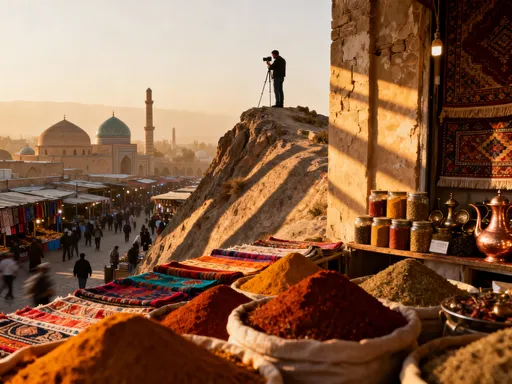
If Sulaiman-Too is the soul of Osh, then Osh Bazaar is its beating heart. One of the largest and oldest markets in Central Asia, it has been a commercial hub for centuries, drawing traders from across the region. Today, it remains a place of astonishing vitality—over 100 hectares of stalls, alleys, and covered passages teeming with life. The air is thick with the scent of cumin, fresh bread, dried fruits, and leather. The colors are overwhelming: pyramids of red peppers, golden apricots, emerald herbs, and rainbow-hued spices spilled across cloth. For a photographer, it is a paradise of texture, movement, and human interaction.
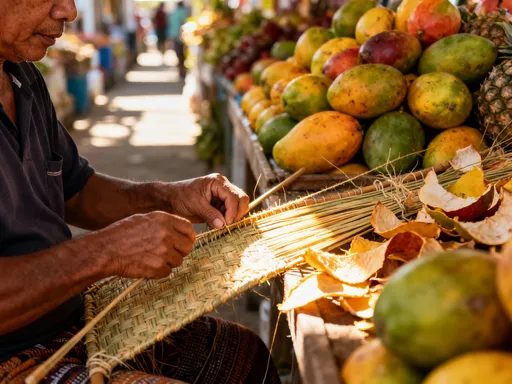
Walking through the bazaar is like stepping into a living still life. Every section tells a different story. The spice alley is a mosaic of color, with vendors sifting turmeric, sumac, and paprika through wooden sieves. The produce section bursts with seasonal abundance—plump melons in summer, crisp apples in autumn, and fresh greens year-round. The livestock area, though less photographed, offers raw, unfiltered moments: farmers negotiating prices, sheep bleating in pens, and the quiet dignity of rural life meeting urban demand. Each zone presents unique lighting challenges and opportunities. The covered sections are dappled with light filtering through canvas roofs, creating natural spotlights that highlight faces, hands, and textures.
Street photography in such an environment requires both technical skill and emotional intelligence. The best images are not taken from a distance, but through connection. A smile, a nod, a moment of shared laughter can open doors that a long lens never could. In Osh, many people are accustomed to cameras, but they appreciate sincerity. Asking permission with a simple gesture—pointing to your camera and raising an eyebrow—often leads to warm, collaborative moments. Some may pose, others may ignore you, but all contribute to the authenticity of the scene.
One of the most powerful ways to tell the bazaar’s story is through portraits of its keepers—the merchants who have spent decades behind the same counter. An elderly woman arranging dried apricots with meticulous care, a man stirring a pot of plov for lunchtime customers, a teenager learning the trade from his father—these are the faces of continuity. To photograph them well, focus on details: the creases in their hands, the patterns on their aprons, the way light catches a drop of sweat on a forehead. These elements add layers of meaning, turning a simple portrait into a narrative.
Traditional Crafts: Framing the Hands of Heritage
While the bazaar offers a broad view of daily life, the workshops of Osh reveal its deeper craftsmanship. Here, traditional arts are not museum exhibits but living practices, passed down through generations. Felt-making, embroidery, pottery, and woodcarving are not just livelihoods—they are acts of cultural preservation. For photographers, these spaces offer intimate, quiet moments of creation, where the focus is not on spectacle, but on process.
One of the most iconic crafts in Kyrgyz culture is the制作 of shyrdaks and ala-kiyiz—colorful felt rugs made using ancient techniques. In family-run workshops, women dye wool with natural pigments, layer it by hand, and roll it repeatedly until the fibers bind into intricate geometric patterns. The process is rhythmic, almost meditative, and full of photographic potential. A close-up of fingers pressing felt, a wide shot of a group working in unison, or a detail of a half-finished design can all convey the artistry and patience involved. Natural light is essential here—positioning subjects near windows or open doors enhances the texture of the wool and the warmth of the colors.
Embroidery is another cherished tradition. Kyrgyz women create elaborate suzani textiles adorned with floral and symbolic motifs, often using silk thread on cotton or linen. These pieces are more than decorative; they carry meaning—protection, fertility, prosperity. Photographing an elder teaching a young girl to stitch connects past and future in a single frame. The contrast between wrinkled hands and smooth fingers, between faded thread and bright new colors, speaks to the transmission of knowledge. To capture this, use a shallow depth of field to isolate the hands while softly blurring the background, drawing the viewer’s eye to the act of creation.
Pottery, too, thrives in Osh, particularly in nearby villages where artisans use foot-powered wheels and wood-fired kilns. The process is physically demanding and deeply traditional. Photographers can document the full cycle—from digging clay to shaping, drying, and firing—each stage offering unique visual moments. A potter’s hands covered in wet earth, a row of unfired vessels lined up in the sun, or the glow of fire through a kiln’s opening at night—all are powerful images. The key is to follow the rhythm of the work, not interrupt it. Let the story unfold naturally, and be ready to capture the small gestures that define mastery.
Festivals and Daily Rituals: Moments That Move
In Osh, culture is not confined to museums or performances—it is embedded in daily life. From seasonal festivals to household routines, there are countless moments of quiet beauty that reveal the city’s spirit. Nowruz, the Persian New Year celebrated in March, is one of the most vibrant. Families gather to prepare sumalak, a sweet paste made from germinated wheat, cooked overnight in large cauldrons. The process is communal, rhythmic, and deeply symbolic. Photographing this event requires advance planning and permission, but the results are unforgettable: flames dancing under a copper pot, women stirring in unison, children watching with wide eyes, and the first light of dawn breaking over the courtyard.
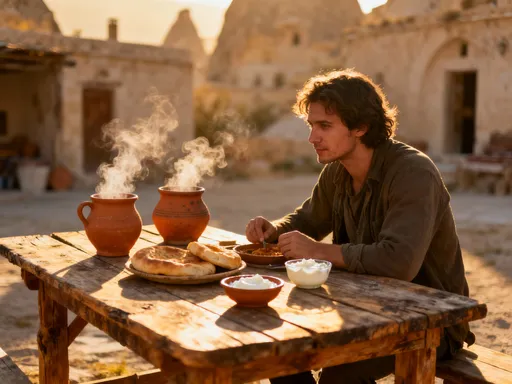
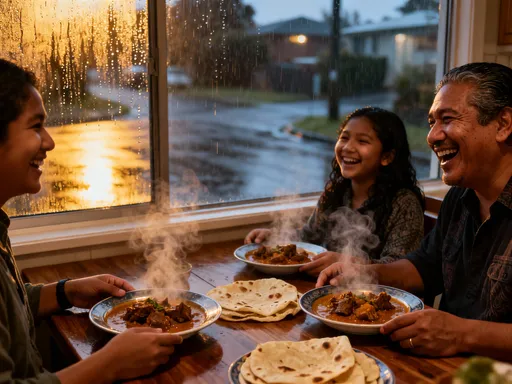
But not all meaningful moments are festive. Some of the most moving images come from ordinary rituals—like evening tea in a family courtyard. As the sun sets, elders sit on low stools, sipping green tea from small glasses, sharing stories while grandchildren play nearby. The light is soft, the atmosphere peaceful. These scenes are not staged, and they should not be disrupted. The best approach is to be invited, to earn trust over time, and to photograph with humility. A wide shot showing the entire scene, or a close-up of a teacup resting on a wooden table, can evoke a sense of belonging and continuity.
Religious observances also offer rich photographic opportunities, particularly during Ramadan. At iftar, the meal that breaks the daily fast, families gather to share food and prayer. Public iftars in the bazaar or near mosques bring people together across generations and backgrounds. Capturing these moments requires discretion—focusing on shared plates, hands passing bread, or the quiet relief on a face after a long day of fasting. The emotional weight of these images lies in their universality: hunger, gratitude, community.
The key to photographing rituals is timing and presence. Knowing when and where events occur allows you to be there without rushing. But more important is the ability to wait—to stand still, observe, and let the moment come to you. The best photographs are not taken when you force them, but when you are ready to receive them.
Light, Seasons, and the Photographer’s Rhythm
Osh’s climate plays a crucial role in shaping its photographic character. The city experiences four distinct seasons, each offering a different palette and mood. Summer brings intense sunlight and long days, ideal for early morning and late afternoon shooting. The harsh midday light can be challenging, but it also creates dramatic contrasts—deep shadows under market awnings, bright highlights on adobe walls. Using a polarizing filter can help manage glare, especially on metal surfaces or water.
Autumn is often considered the most photogenic season. The air is clear, the light is soft, and the city takes on a golden hue. Harvest time fills the bazaar with pumpkins, grapes, and walnuts, adding warmth to every frame. Morning fog often drifts over the Ak-Buura River, wrapping the city in a dreamlike veil. This is the perfect time for atmospheric shots—silhouettes of fishermen on the banks, mist rising between rooftops, or a lone cyclist crossing a bridge.
Winter, though colder, brings its own beauty. The first snow on clay rooftops transforms the city into a quiet, monochrome landscape. Steam rises from teahouses, children sled on gentle slopes, and the call to prayer echoes through still air. Shooting in winter requires preparation—protecting gear from moisture, using lens hoods to prevent snowflakes from sticking, and dressing in layers. But the rewards are worth it: images of resilience, warmth, and quiet joy.
Spring brings renewal. Gardens bloom, rivers swell with snowmelt, and families picnic on the hillsides. It is a season of movement and color, perfect for capturing life in motion. Regardless of season, the key is adaptation. Osh’s light changes quickly. Clouds roll in without warning, dust storms sweep through in summer, and sunsets can be fleeting. Carrying a versatile lens, using manual settings, and being ready to shoot in changing conditions are essential skills.
Ethical Storytelling: Beyond the Click
Photographing a place as rich as Osh comes with responsibility. It is not enough to take beautiful images; one must also consider the impact of those images. Ethical storytelling means avoiding voyeurism, respecting privacy, and understanding cultural norms. In Osh, direct eye contact or photographing someone without permission can be seen as intrusive. A simple gesture of respect—smiling, asking, waiting for consent—can make all the difference.
It also means being mindful of how images are used. Are they portraying people with dignity, or reducing them to stereotypes? Are they showing Osh as a living, evolving city, or as an exotic relic of the past? The best photographs do not extract; they exchange. They give something back—recognition, respect, connection. When possible, sharing printed photos with subjects, supporting local artisans, or donating to community projects can turn photography into an act of reciprocity.
Ultimately, the goal is not to capture the perfect image, but to honor the moment. In Osh, where history and humanity intertwine, every photograph is a form of witness. It says: I was here. I saw this. I remember. And in doing so, it becomes part of the story—not just of the city, but of the relationship between the observer and the observed.
Osh Through a Human Lens
Osh does not perform for cameras. It does not pause, pose, or prettify itself for visitors. It simply lives—loudly, messily, beautifully. And that is what makes it extraordinary to photograph. Every image taken here is not just a record of a place, but a fragment of a deeper narrative—one of survival, adaptation, and enduring tradition. The city’s spirit is not found in grand monuments, but in the hands that shape felt, the voices that rise in prayer, the laughter that echoes through courtyards.
For photographers, Osh is a reminder that the most powerful images are not those that dazzle the eye, but those that touch the heart. They are the ones that show not just how people look, but how they live. They are made not with speed, but with presence. Not with distance, but with connection.
When you leave Osh, your memory card will be full. But more importantly, your perspective will have shifted. You will have seen a city not as a destination, but as a living story—one still being written, one still worth witnessing. And in that witnessing, you become part of it. Not as a tourist, but as a storyteller. Not with a lens alone, but with intention, respect, and heart.