You Won’t Believe What I Found in Delphi—Local Flavors & Hidden Gems Check-In
Nestled on the slopes of Mount Parnassus, Delphi is more than ancient ruins and mythology—it’s a sensory journey. During my recent check-in, I discovered handcrafted olive oil, wild mountain herbs, and amber-colored honey that tastes like sunshine. This isn’t just travel; it’s a deep dive into Greece’s soul. If you think Delphi is only about history, wait until you taste what’s on every local’s table. Here, tradition isn’t preserved behind glass—it’s stirred into stews, pressed into bottles, and passed from hand to hand with quiet pride. In a world of fast tourism, Delphi invites you to slow down, breathe deeply, and savor the real.
Arrival & First Impressions: Stepping Into Timeless Greece
As the winding road climbs higher into the folds of Mount Parnassus, the modern world begins to fall away. The noise of traffic fades, replaced by the whisper of wind through cypress trees and the distant chime of goat bells echoing across the valley. Then, suddenly, Delphi appears—a cluster of stone houses clinging to the mountainside, their terracotta roofs glowing in the afternoon light. The air feels different here: crisp, clean, and charged with a stillness that seems to stretch beyond time. You know you’ve arrived somewhere special, not because of signs or crowds, but because your breath slows and your shoulders drop.
Unlike the bustling islands of Mykonos or Santorini, Delphi offers a quieter kind of magic. There are no souvenir shops blaring music or streets packed with tourists. Instead, you’re greeted by the scent of wild thyme rising from sun-warmed rocks and the sight of elderly women in black shawls tending herb gardens outside whitewashed homes. This is Greece as it has been lived for generations—a place where myth and daily life coexist without fanfare. The Sanctuary of Apollo may have once served as the center of the ancient world, but today, Delphi feels like a sanctuary for the soul.
Choosing Delphi as a destination means choosing depth over distraction. It’s not a place to rush through on a day trip from Athens, though many do. It’s a place to stay, to wander narrow lanes without a map, to sit on a stone bench and watch the light change on the valley below. Families come here for summer retreats, scholars return to study the inscriptions at the museum, and hikers follow ancient paths through the Phaedriades cliffs. But increasingly, travelers are discovering another side of Delphi—one that doesn’t appear on most guidebooks: its living culture, expressed through food, craft, and quiet acts of preservation.
The decision to visit Delphi is, in itself, a kind of quiet rebellion against mass tourism. It says you’re not just looking for a photo op at a famous site. You’re seeking connection—with history, yes, but also with people who still live close to the land. And nowhere is that connection more tangible than at the kitchen table, where generations of recipes meet ingredients grown within view of the same mountain peaks.
The Heart of Delphi: Beyond the Ruins
Of course, the ruins are magnificent. The Temple of Apollo, perched on the hillside, commands attention with its Doric columns standing like sentinels between earth and sky. The ancient theater offers panoramic views of the valley, and the Tholos at the Sanctuary of Athena Pronaia stirs wonder with its mysterious symmetry. These sites draw thousands each year, and rightly so—they are masterpieces of engineering and devotion. But if you leave Delphi having seen only the stones, you’ve missed half the story.
The true heart of Delphi beats in the village lanes behind the archaeological zones, where life unfolds at a gentle rhythm. Children walk home from school past gardens bursting with rosemary and sage. Old men gather in the shade of plane trees, sipping coffee and speaking in low tones. In small courtyards, women spread figs on wooden trays to dry in the sun, while the scent of baking bread drifts from open windows. This is where tradition isn’t reenacted—it’s lived.
And in these homes and workshops, the ancient and the everyday blend seamlessly. A woman grinding herbs with a stone mortar might be preparing a remedy passed down from her grandmother. A man bottling olive oil in his garage may be using a press that’s been in his family for decades. These are not performances for tourists. They are acts of continuity, small but powerful ways of saying: we are still here, and we still do things the way they’ve always been done.
What makes Delphi unique is how naturally this coexistence happens. You won’t find staged folk dances or tourist-only markets selling imported trinkets. Instead, you’ll stumble upon a shop where a farmer sells jars of honey he harvested himself, or a guesthouse where the owner serves breakfast with eggs from her hens and yogurt made that morning. These moments aren’t curated—they’re authentic, unassuming, and deeply moving. They remind you that culture isn’t just in museums. It’s in the way people season their food, store their olives, and share a glass of wine after a long day.
Taste of Tradition: Local Specialty Products Uncovered
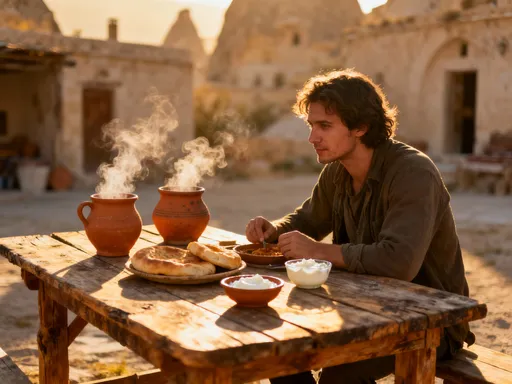
To understand Delphi, you must taste it. The region’s flavors are shaped by its altitude, its clean air, and the wild terrain that surrounds it. From the first bite of bread dipped in golden olive oil to the lingering sweetness of mountain honey, every flavor tells a story of place and care. These are not mass-produced goods shipped from distant factories. They are small-batch creations, made by hand, often by people who have spent their entire lives in this same landscape.
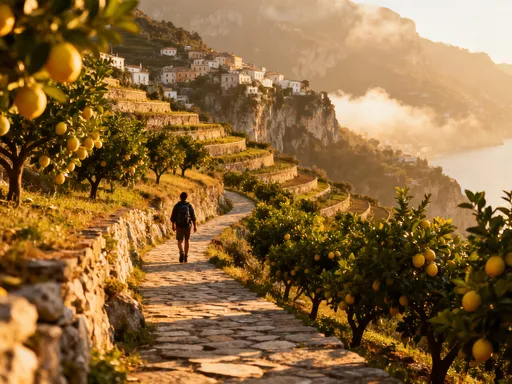
At the center of Delphi’s culinary identity is its extra-virgin olive oil, pressed from koroneiki olives grown on terraced groves that climb the hills. Renowned across Greece for their high polyphenol content and peppery finish, koroneiki olives thrive in the rocky soil and Mediterranean climate. Local producers harvest them by hand each autumn, a labor-intensive process that ensures only the ripest fruit makes it to the press. The result is oil with a vibrant green hue, a grassy aroma, and a sharp, clean taste that lingers on the tongue. Many families produce just enough for their own use and a few visitors, selling it in unlabeled bottles or repurposed wine jars.
Equally important are the wild herbs that blanket the hillsides. Oregano, thyme, sage, and mountain tea grow freely, their roots anchored in mineral-rich soil. Locals gather them in the early morning, when the oils are strongest, and hang them to dry in shaded patios. These herbs season everything from lamb stews to cheese pies, and they’re also brewed into soothing teas. A simple cup of mountain tea—made from Sideritis scardica, known locally as “ironwort”—is more than a drink. It’s a ritual, a remedy, and a connection to the land.
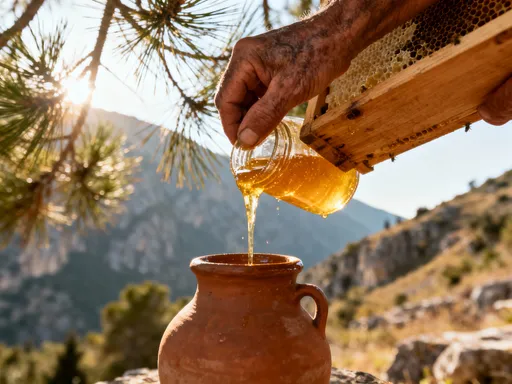
And then there’s the honey—perhaps Delphi’s most unforgettable flavor. Harvested from hives placed high in the meadows where wildflowers bloom in spring, it carries the essence of the mountain. Light amber in color, with floral notes and a hint of spice, it’s nothing like the processed honey found in supermarkets. This is raw, unfiltered, alive with enzymes and pollen. Each jar reflects the season, the weather, and the flowers the bees visited. To taste it is to taste the mountain itself—sunlight, wind, and the quiet hum of life in harmony.
From Hive to Jar: The Story Behind Delphi’s Honey
One morning, I followed a narrow path behind the village to visit a beekeeper named Yiannis, a man in his sixties with sun-leathered hands and a quiet smile. His hives sat in a high meadow, surrounded by blooming thyme and wild lavender. As we approached, the air filled with the gentle buzz of bees moving between flowers. Yiannis opened one of the wooden boxes with care, revealing a honeycomb glistening with golden nectar. “This,” he said, lifting a frame, “is summer in a jar.”
Beekeeping in Delphi is more than a livelihood—it’s a tradition passed from father to son. The region’s elevation, clean air, and diverse flora create ideal conditions for high-quality honey. Bees forage on wild herbs, chestnut blossoms, and pine trees, giving the honey its complex flavor. Yiannis doesn’t use chemicals or artificial feed. He works with the seasons, harvesting only once a year, when the combs are full and the weather is warm. The honey is extracted by hand, filtered through cloth, and bottled without pasteurization, preserving its natural properties.
What struck me most was not just the taste—though it was extraordinary—but the care behind it. Yiannis knows each hive by name. He watches the weather closely, moves hives to follow the bloom, and leaves enough honey for the bees to survive the winter. His approach is one of balance, not extraction. “We don’t own the bees,” he told me. “We work with them. They give us a gift, and we protect them in return.”
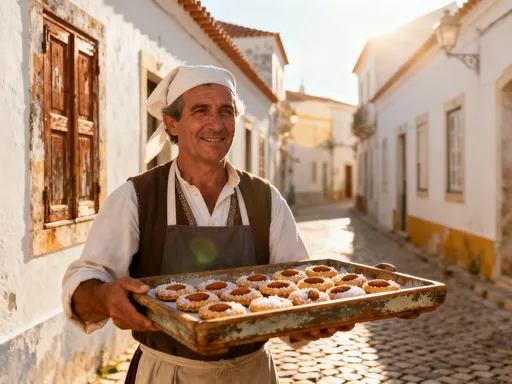
In Delphi, honey is more than a sweetener. It’s part of daily life. Locals stir it into yogurt for breakfast, drizzle it over fried cheese, or spread it on warm bread with a sprinkle of cinnamon. It’s used in traditional desserts like melomakarona, honey-drenched cookies made during the holidays. Some families even keep a jar for medicinal use—a spoonful to soothe a sore throat or calm the nerves. When you buy honey from a beekeeper like Yiannis, you’re not just purchasing a product. You’re supporting a way of life that values patience, respect, and harmony with nature.
Olive Oil & Herbs: The Pantry of the Gods
If honey is the soul of Delphi’s table, olive oil is its foundation. The olive tree is sacred here, not just for its fruit but for its resilience. These trees grow in rocky soil, surviving drought and wind, some of them hundreds of years old. Families tend them with reverence, pruning by hand and harvesting in November when the olives turn from green to deep purple.
I visited a small family-run press where a husband and wife team process their own olives. The air was thick with the scent of crushed fruit as they fed the harvest into the mill. Within hours, the first oil flowed—thick, green, and fragrant. They offered me a taste on a piece of crusty bread, followed by a pinch of local feta. The oil was sharp and bright, with a peppery kick at the back of the throat—a sign of freshness and quality. “This is how we eat every day,” the woman said. “Simple, but full of flavor.”
Next to the press, bundles of dried herbs hung from the ceiling—oregano, dittany, and mountain tea—each labeled with the date and location of harvest. These herbs are foraged from the surrounding hills, never bought in bulk. They season stews, flavor grilled meats, and brew into calming teas. Some are even used in natural remedies, such as sage for digestion or thyme for respiratory health. The family sells small packages to visitors, but most of their harvest is for personal use. “We don’t grow food to sell,” the man explained. “We grow it to live well.”
This philosophy—of food as nourishment, not commodity—runs deep in Delphi. Meals are built around what the land provides, not what’s trendy or convenient. A typical dinner might include roasted potatoes with rosemary, a salad of tomatoes and cucumbers dressed with olive oil and vinegar, and a piece of grilled goat cheese drizzled with honey. There are no fancy plating techniques or imported ingredients. Just honest food, made with care. To eat here is to remember that flavor doesn’t come from additives—it comes from soil, sun, and time.
Where to Find & Support Local Makers
One of the joys of traveling in Delphi is discovering where to find these authentic products. You won’t find them in large supermarkets or tourist traps. Instead, look for small family-run shops near the archaeological site, often tucked into stone buildings with wooden signs. Some are attached to guesthouses, where the owners sell what they produce themselves. Others are seasonal stands that appear during the summer months, staffed by farmers who bring their goods down from the hills.
The weekly village market is another excellent place to connect with local makers. Held every Thursday morning in the central square, it fills with stalls offering fresh produce, cheeses, olives, honey, and herbs. Vendors are happy to let you taste before you buy, and many speak enough English to explain how their products are made. Look for labels indicating PDO (Protected Designation of Origin) status, especially for olive oil and honey, as these guarantee authenticity and quality. But even more valuable than a label is the story behind the product—ask who made it, where it came from, and how it was produced.
Staying in a family-run guesthouse can also open doors to hidden offerings. Many hosts serve breakfast with their own eggs, yogurt, and preserves, and some sell jars of honey or bottles of oil to guests. These are often the most genuine products of all—made not for profit, but out of pride and hospitality. Buying directly from producers ensures that your money supports the people who actually grow and craft the food, rather than middlemen or large corporations.
Mindful consumption matters. When you choose to buy local, you’re not just taking home a souvenir. You’re helping sustain rural communities, preserve traditional knowledge, and protect the environment. Small-scale farming and artisan production rely on biodiversity, seasonal cycles, and sustainable practices—values that are increasingly rare in our globalized world. By supporting them, you become part of a larger movement toward slower, more meaningful travel.
Why This Matters: Travel That Honors Place & People
Travel has the power to transform—not just the traveler, but the places we visit. Too often, tourism focuses on consumption: seeing as many sights as possible, checking boxes, buying souvenirs that say “I was here.” But in places like Delphi, a different kind of journey is possible—one rooted in respect, curiosity, and connection. When you seek out local flavors and hidden makers, you move beyond sightseeing into the realm of relationship.
Choosing to taste Delphi’s honey, to learn how olive oil is pressed, to buy herbs from a woman who gathered them that morning—these acts honor the culture and sustain the community. They say: I see you. I value your work. I want to carry a piece of your world with me. And in return, you receive something far more valuable than any mass-produced trinket: a memory infused with meaning, a flavor that transports you back, a story you can share.
Delphi reminds us that the most profound experiences often come not from grand monuments, but from quiet moments—a shared meal, a conversation with a local, the warmth of sun on stone. It invites us to travel deeper, to listen more closely, to taste more fully. In doing so, we don’t just visit a place. We connect with it. We remember that behind every tradition, there is a person. Behind every flavor, there is a story. And behind every jar of honey or bottle of oil, there is a life lived with care.
So the next time you plan a trip, consider going beyond the guidebook. Seek out the makers, the growers, the keepers of tradition. Let your journey be guided not by crowds, but by curiosity. Let it be slow, intentional, and rooted in respect. Because the world’s true treasures aren’t always marked on maps. Sometimes, they’re waiting in a sunlit kitchen, in a meadow humming with bees, in the hands of someone who still knows how to make something real.