Hiking the Hidden Trails Where Locals Live and Breathe
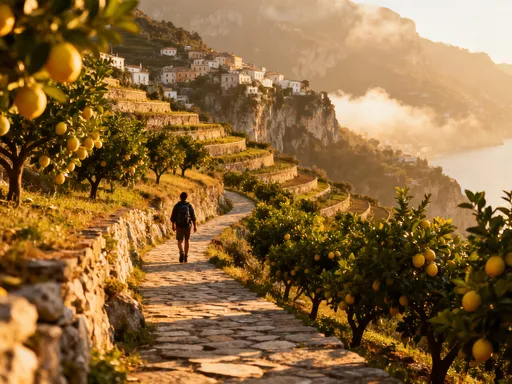
You know that feeling when a place just gets you? The Amalfi Coast isn’t just postcard views—its soul lives on quiet footpaths locals walk every day. I laced up my boots to explore public trails winding through lemon groves, hillside villages, and centuries-old stone paths. What I found wasn’t just stunning scenery—it was connection, authenticity, and a side of Italy most tourists never see. Away from the cruise ships and crowded terraces, these trails offer something deeper: a rhythm of life shaped by generations of farmers, shepherds, and neighbors who move through the landscape not as visitors, but as stewards. This is travel that doesn’t just show you a place—it allows you to feel it.
Why Hiking Reveals the True Amalfi Coast
Hiking the Amalfi Coast is not merely a way to avoid traffic or burn calories—it is a journey into the region’s living heritage. While most tourists arrive by ferry or winding coastal road, the true connective tissue of this rugged coastline has always been its network of footpaths. Known locally as *sentieri*, these trails were not built for recreation but for necessity. For centuries, before tunnels and switchback roads, residents relied on these narrow stone routes to travel between isolated hilltop villages, tend terraced farms, and carry goods to market. These paths were, and still are, public infrastructure—essential arteries of daily life.
Today, many of these trails remain in active use, not only by hikers but by the people who call this landscape home. An elderly woman walks to her cousin’s house in the next village, a basket in hand. A farmer checks his lemon grove before dawn. A shepherd moves his flock between highland pastures. These quiet moments unfold along the same paths now celebrated by visitors, yet they remind us that this is not a museum exhibit—it is a living, working landscape. Hiking here allows you to witness the Amalfi Coast not as a backdrop, but as a community in motion.
The cultural significance of these trails cannot be overstated. They represent a tradition of pedestrian life that has shaped local identity. Unlike car-dependent regions, the Amalfi Coast’s villages were designed around walking. Houses cluster along ridgelines, connected by staircases carved into the rock. Public fountains dot the routes, serving both residents and travelers. This pedestrian-first design fosters intimacy with the environment and strengthens social bonds. When you walk these paths, you are not just moving through space—you are stepping into a centuries-old rhythm of interdependence, resilience, and quiet dignity.
Top Public Trails: Where Nature Meets Community Life
Among the most renowned of these pathways is the *Sentiero degli Dei*, or the Path of the Gods, which stretches from the village of Bomerano, near Agerola, down toward Nocelle, above Positano. While it has gained international fame, it remains a working trail used by locals for transportation and farming. The route offers panoramic views of the Tyrrhenian Sea, but more telling are the stone walls, olive trees, and hidden terraces maintained by families for generations. Along the way, you might pass a man pruning fig trees on a narrow ledge or hear the distant clang of goat bells from a nearby slope.
Equally revealing is the Valle delle Ferriere trail, a lesser-known path that winds through a lush valley between Amalfi and the mountain village of Pontone. This route follows an old waterway once used for iron production—hence the name—and today supports rich biodiversity, including rare ferns and the native *lentisco* shrub. Unlike the more trafficked coastal paths, Valle delle Ferriere feels secluded, yet it remains part of the local fabric. Residents use it to access family plots, gather herbs, or simply enjoy a peaceful walk. The trail ends near a historic paper mill, a reminder of the region’s industrial past, now repurposed as a cultural site.
Another meaningful route is the path connecting Ravello to Scala, one of the oldest villages on the coast. This shaded trail, lined with chestnut and oak trees, descends through orchards and vineyards. Along the way, stone archways and ancient doorways hint at forgotten farmsteads. Locals still use this path to visit relatives or attend church in the neighboring town. The trail emerges in Scala’s central piazza, where life unfolds slowly—children play near the fountain, elders sit on benches, and shopkeepers call out greetings. Walking this route, you experience not just scenery, but continuity—a living thread between past and present.
The Culture of Shared Spaces: From Terraced Farms to Village Stairs
What makes these trails truly special is not just their beauty, but the way they embody a culture of shared stewardship. The Amalfi Coast’s steep terrain has always required cooperation. No single family could maintain the complex system of terraces, irrigation channels, and stone walls alone. Over centuries, a communal approach evolved—one where neighbors worked together to build, repair, and protect the land they all depended on. This spirit persists today, visible in the way public spaces are used and maintained.
Dry-stone walls, built without mortar, line nearly every trail and field. These structures prevent erosion on steep slopes and create microclimates for citrus and vegetables. Remarkably, many are still repaired by community members who volunteer their time, using techniques passed down through generations. These walls are not just functional—they are symbols of collective care. When a section collapses after heavy rain, it is not left to decay. Someone will return with stones from a nearby field and rebuild it, often without fanfare or recognition.
Similarly, public staircases in villages like Vettica Maggiore or San Lazzaro are more than just access routes—they are social spaces. Women pause to chat while carrying groceries. Children race up and down after school. Elderly residents sit on low walls to enjoy the breeze. These stairs, often centuries old, are maintained by the town, but their use is deeply personal. They connect homes, gardens, and churches, forming the skeleton of daily life. Even irrigation channels, known as *acquaioli*, are shared resources. Water is carefully distributed according to long-standing agreements, ensuring every household gets its fair share for crops and animals.
Public fountains, too, remain in use. Though modern plumbing exists, many locals still draw water from these stone basins, especially in the hills. Some believe the spring water tastes purer or is better for cooking. Hikers are welcome to refill their bottles, and doing so connects you to a tradition of mutual access. These fountains are not relics—they are working parts of a system built on trust, transparency, and shared responsibility.
How to Hike Like a Local: Etiquette and Practical Tips
To truly honor these living landscapes, visitors must hike with awareness and respect. The trails of the Amalfi Coast are not wilderness parks—they are part of a functioning community. Simple acts of courtesy can make a meaningful difference. Always greet people you pass, even with a quiet “buongiorno.” A smile goes a long way, especially in villages where older residents may not speak English. If you see someone working—a farmer, a gardener, a builder—do not take photos without asking. These are not performances; they are everyday lives.
Staying on marked paths is essential. While it may be tempting to step off the trail for a better view, doing so can damage fragile terraces or disturb private land. Many plots adjacent to public trails are still actively farmed, and trespassing can disrupt harvests or scare animals. Always look for signs indicating private property and respect them. If you’re unsure, err on the side of caution and stay on the designated route.
Footwear matters. The trails are often uneven, with loose stones, exposed roots, and steep drops. Sturdy hiking shoes with good grip are strongly recommended, especially after rain. Lightweight sneakers or sandals are not suitable for most routes. Pack water, snacks, and a light rain jacket—even on sunny days, weather can change quickly in the hills. While some trails have access to public fountains, it’s wise to carry enough water for the entire hike, especially in summer.
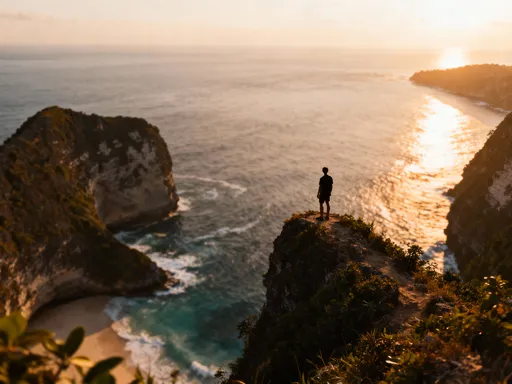
The best times to hike are early morning or late afternoon. Not only is the temperature more comfortable, but you’re more likely to encounter locals going about their day. Midday heat can be intense, and popular trails like the Path of the Gods can become crowded. Starting at dawn allows you to experience the landscape in stillness, with golden light rising over the sea and the scent of wild thyme in the air. It also increases your chances of authentic interaction—perhaps sharing a nod with a farmer heading to his grove or hearing church bells echo across the valley.
Village Connections: Walking Between Towns Without a Car
One of the most rewarding aspects of hiking the Amalfi Coast is the ability to travel between towns without relying on cars, buses, or ferries. Many of the region’s settlements were built with pedestrian movement in mind. Before modern transportation, walking was the primary mode of travel, and the trail network reflects this. Today, hiking offers a sustainable and immersive way to explore.
For example, the walk from Nocelle to Positano is both scenic and practical. Nocelle, perched high above the coast, is accessible only by foot or a narrow road. From its edge, a long staircase—over 1,000 steps—descends through olive groves and flower-lined walls to Positano’s main beach. Locals use this route daily, and so can visitors. At the bottom, you arrive not at a parking lot, but in the heart of the village, where cafes spill onto the street and fishermen mend their nets. The journey becomes part of the experience, not just a means to an end.
Similarly, the trail from Ravello to Amalfi offers a gradual descent through forests and farmland. It takes about two and a half hours, passing small chapels and family-run lemon farms. At the end, you reach Amalfi’s historic center, where you can board a ferry or take a bus back. This kind of travel reduces congestion and pollution while supporting local economies. When you arrive on foot, you’re more likely to stop at a family-run trattoria, buy fresh fruit from a roadside stand, or linger in a piazza—small acts that sustain the community.
Trailheads are often well-connected to public transport. Agerola, the starting point for the Path of the Gods, has regular bus service from Amalfi and Sorrento. Scala is reachable by bus from Ravello. This integration makes car-free travel not only possible but enjoyable. By combining hiking with buses and ferries, visitors can explore deeply while minimizing their environmental impact.
Preservation Efforts: Keeping Public Trails Open and Alive
The survival of these trails depends on active care and community involvement. Over the years, erosion, landslides, and increased tourism have put pressure on the path network. Some routes have been closed temporarily due to safety concerns. In response, local associations, regional parks, and volunteer groups have stepped in to maintain and restore these vital corridors.
One such group is the *Pro Loco* associations, found in nearly every village. These civic organizations promote local culture and often organize trail clean-up days. Residents gather on weekends to clear overgrown vegetation, repair stone steps, and repaint trail markers. In Agerola, volunteers have rebuilt sections of the Path of the Gods after storms, using traditional techniques to ensure durability. These efforts are not funded by large tourism boards but by the people who live here and value their heritage.
The regional park authority also plays a key role. Designated areas like the Valle delle Ferriere are protected under environmental regulations, which help prevent overdevelopment and preserve biodiversity. Rangers monitor trail conditions and work with municipalities to improve signage and safety. However, funding is limited, and many projects rely on donations and volunteer labor.
Responsible tourism is a crucial part of preservation. When visitors stay on marked paths, respect private land, and support local businesses, they contribute to sustainability. Choosing guided hikes led by local guides not only enhances the experience but ensures that knowledge and income stay within the community. Some organizations even offer volunteer hiking tours, where travelers spend a day helping with trail maintenance—a meaningful way to give back.
Why These Trails Matter: The Future of Public Space in Tourism
The trails of the Amalfi Coast are more than scenic walks—they are a testament to a way of life that values connection, resilience, and shared responsibility. In an age of mass tourism and digital detachment, these paths offer something rare: authenticity. They remind us that travel can be slow, thoughtful, and reciprocal. When you hike here, you are not just observing culture—you are participating in it, even if only for a day.
Protecting these trails is not just about conserving nature; it is about honoring a social tradition. Public space, in this context, is not a park or a plaza, but a network of paths, terraces, and fountains that belong to everyone and no one. It is a model of sustainability rooted in cooperation, where the land is not exploited but cared for. As tourism continues to grow, the challenge will be to balance access with preservation—to welcome visitors without overwhelming the communities that sustain these places.
The future of the Amalfi Coast depends on mindful exploration. It depends on travelers who come not to conquer a checklist, but to listen, observe, and respect. It depends on choosing the path less crowded, not for exclusivity, but for intimacy. When you walk these trails, you join a long line of people who have moved through this landscape with purpose. You become part of a story that is still being written—one step at a time.
So lace up your boots, greet your neighbors, and walk with care. The true Amalfi Coast is not in the photos you take, but in the moments you share. It is in the nod from an elder on a stone step, the taste of fresh figs from a roadside tree, the sound of water flowing through an ancient channel. This is not just a destination. It is a way of being. And it is waiting for you—not as a spectator, but as a guest in a living, breathing world.