You Gotta See How Buenos Aires Turns Streets Into Magic
Wandering through Buenos Aires feels like stepping into a living canvas—every corner breathes art, culture, and urban rhythm. I never expected a city to blend European elegance with Latin fire so seamlessly. From wide boulevards to hidden alleys pulsing with street life, the urban space here doesn’t just connect places—it tells stories. This is more than sightseeing; it’s about feeling the heartbeat of a metropolis that turns sidewalks into stages and plazas into living rooms.
The Pulse of the City: Understanding Buenos Aires’ Urban Soul
Buenos Aires moves to a rhythm shaped by centuries of history, waves of immigration, and a deep cultural pride that pulses through its streets. The city’s layout—broad avenues intersecting a grid of tree-lined blocks—reflects a blend of Spanish colonial planning and European urban ideals, particularly from Paris and Madrid. This structured yet open design allows for both grandeur and intimacy, making it easy to feel simultaneously immersed in a vibrant metropolis and quietly connected to neighborhood life. The influence of Italian and Spanish immigrants is visible not only in the architecture but in the pace of life—lunch lingers, conversations grow long, and evenings unfold slowly, often in outdoor cafes or under the soft glow of lampposts.
The city’s historic neighborhoods were laid out with purpose. Areas like Recoleta and Almagro were developed in the 19th and early 20th centuries as residential enclaves for the elite and middle class, featuring stately homes with French-style facades and wrought-iron balconies. These areas retain their elegance today, offering a sense of continuity and calm amid the urban energy. The grid pattern, common throughout much of the city, makes navigation intuitive for visitors, while diagonal avenues like Avenida 9 de Julio—among the widest in the world—add dramatic scale. Yet despite its size, Buenos Aires never feels impersonal. Public spaces are designed for gathering, not just transit, and the rhythm of daily life unfolds in plain sight—on benches, in kiosks, and along pedestrian paths.
What truly defines the urban soul of Buenos Aires is its ability to balance order with spontaneity. The city’s structure provides a reliable framework, but life spills beyond it in joyful, unpredictable ways. Street musicians appear without announcement, impromptu tango dancers gather in plazas, and weekend ferias (markets) transform quiet corners into bustling hubs. This interplay between design and improvisation gives Buenos Aires its unique character—a city that feels both carefully planned and wonderfully alive. Understanding this duality is key to appreciating how its streets become more than pathways; they become stages for everyday expression.
Barrios That Breathe: Why Neighborhoods Define the Experience
To know Buenos Aires is to know its barrios—each with its own personality, pace, and palette. These neighborhoods are not just geographic divisions; they are cultural microcosms that shape how residents live and how visitors experience the city. Palermo, the largest and most diverse district, offers everything from sleek design boutiques to sprawling parks and hidden bookstores. Its sub-neighborhoods—Palermo Soho, Palermo Hollywood, and Palermo Botánico—each attract different crowds, yet all share a creative, cosmopolitan energy. Tree-lined streets lined with converted warehouses now house artisan cafes and vintage shops, making it a favorite for those who appreciate urban charm with a modern twist.
San Telmo, by contrast, feels like stepping into the past. Cobblestone streets, colonial-era buildings with peeling paint, and iron grilles evoke a 19th-century atmosphere that has been carefully preserved. On Sundays, the famous Feria de San Telmo fills the main plaza with antique vendors, tango performers, and local artists. The air hums with music and the scent of empanadas grilling over open flames. It’s a place where history is not locked behind glass but lived out in the open. For visitors, San Telmo offers a chance to slow down, wander without a map, and let the city reveal itself in unexpected moments—a mural around a corner, a spontaneous dance, a conversation with a vendor selling handmade leather goods.
Then there’s La Boca, a neighborhood that bursts with color and energy. Its most famous street, Caminito, is lined with brightly painted corrugated metal houses, a legacy of the area’s immigrant shipyard workers who used available materials to build their homes. Today, the street is a living museum of folk art and tango culture, often filled with dancers in traditional attire and artists selling vibrant paintings. While parts of La Boca require caution and are best visited during daylight hours with awareness, the neighborhood’s spirit is undeniable. It represents resilience, creativity, and the bold expression of identity. Navigating these barrios safely means staying alert, avoiding isolated areas at night, and respecting local norms—such as not photographing residents without permission. But when approached with curiosity and respect, each barrio offers a deeper understanding of the city’s soul.
Green Escapes in the Concrete: Parks as Urban Sanctuaries
In a city of over three million people, green spaces are not luxuries—they are necessities. Buenos Aires understands this deeply, which is why its parks are not afterthoughts but vital organs of urban life. Parque Tres de Febrero, commonly known as Bosques de Palermo, is the city’s green heart. Spanning over 400 hectares, it includes formal gardens, tranquil lakes, running trails, and open lawns where families gather for picnics. On any given morning, the park is alive with joggers, cyclists, and dog walkers, while weekends bring paddle boaters gliding across the water and children chasing bubbles in the play areas. The Rosedal, a stunning rose garden within the park, blooms with thousands of varieties each spring, drawing visitors from across the city.
These green spaces serve as more than recreation zones—they are social equalizers. In a city with visible economic contrasts, parks remain places where everyone is welcome. You’ll see office workers in suits stretching on the grass during lunch, retirees playing chess under the trees, and teenagers flying kites on breezy afternoons. The accessibility of these areas encourages a culture of outdoor living that enhances quality of life. For visitors, spending time in a park offers a chance to observe daily rhythms and connect with locals in a relaxed setting. It’s not uncommon to be invited to join a casual game of fútbol or offered a seat at a shared picnic table.
When visiting these sanctuaries, timing makes a difference. Early mornings are ideal for quiet reflection and photography, while late afternoons bring the warm glow of golden hour and the buzz of families finishing their day. Nearby cafes, such as those along the edge of Plaza Italia, offer fresh juices, medialunas (Argentine croissants), and strong coffee—perfect for a post-walk break. For solo travelers, these parks are generally safe during daylight, especially in well-trafficked areas, but it’s wise to stay aware, keep belongings secure, and avoid secluded paths after dark. By embracing the city’s green lungs, visitors gain not just rest, but a deeper sense of how Buenos Aires nurtures both body and community.
Street Art as City Speech: When Walls Tell Stories
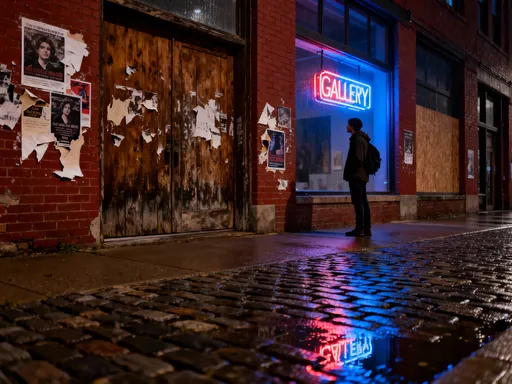
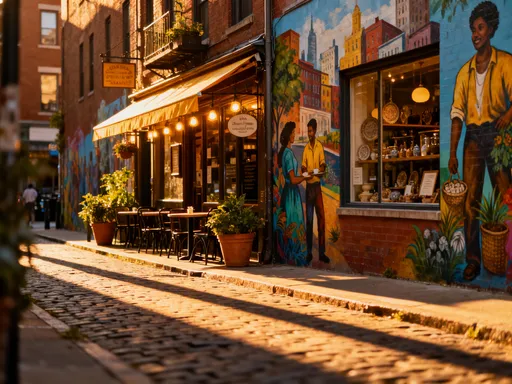
In Buenos Aires, walls talk. Across neighborhoods like Villa Urquiza, Chacarita, and Colegiales, blank facades have been transformed into powerful canvases that reflect social issues, cultural pride, and artistic innovation. Unlike graffiti that defaces, much of the city’s street art is legal, commissioned, or created with community support. These murals are not hidden—they are celebrated, forming an open-air gallery that anyone can visit for free. The art ranges from towering portraits of historical figures like Eva Perón and Che Guevara to abstract pieces that explore identity, migration, and environmental justice.
The rise of street art in Buenos Aires is tied to the country’s complex political history. During periods of censorship and military rule, public expression was suppressed. In the decades since democracy was restored, street art has emerged as a vital form of civic dialogue. Artists use their work to commemorate the disappeared, honor indigenous cultures, and call for social change. In neighborhoods like Barracas and Parque Patricios, entire blocks are covered in murals that tell stories of resistance, resilience, and hope. These visual narratives invite viewers to pause, reflect, and engage—not just as tourists, but as witnesses to ongoing conversations about who a city is for and what it stands for.
For visitors, exploring this art is both inspiring and accessible. Guided mural tours, led by local artists or cultural organizations, offer context and insight into the meanings behind the images. These tours often include stops at community centers or small studios, creating opportunities to support local creators directly. Even without a guide, walking with attention reveals layers of meaning—symbols hidden in patterns, quotes in calligraphy, or references to Argentine literature and music. The city’s embrace of street art as legitimate expression reflects a broader cultural value: that beauty and meaning belong in public spaces, not just behind museum doors. By engaging with these walls, travelers become part of a living dialogue between past and present, art and activism, individual and community.
Plazas That Connect: The Role of Public Squares in Daily Life
If streets are the veins of Buenos Aires, plazas are its beating heart. These open spaces—scattered throughout every barrio—are where life unfolds in real time. Plaza de Mayo, the city’s most iconic square, has been the site of historic gatherings, political protests, and national celebrations for over two centuries. Framed by the pink-walled Casa Rosada, it is both a symbol of government and a stage for civic engagement. On any given day, visitors might see school groups on field trips, tourists taking photos, or locals crossing through on their way to work. On Thursdays, the Mothers of the Plaza de Mayo still walk in silent protest, a powerful reminder of the square’s role in memory and justice.
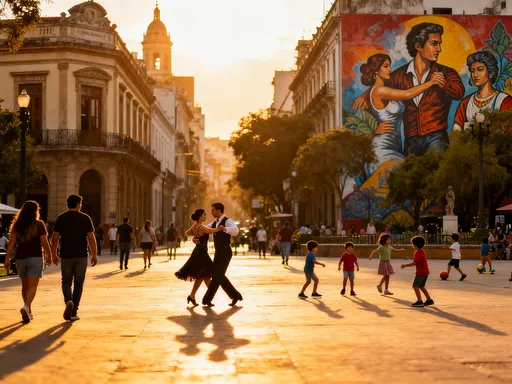
Other plazas serve more intimate functions. Plaza Serrano in Palermo Soho, once a quiet garden, has evolved into a lively social hub. As dusk falls, the surrounding cafes and bars spill onto the sidewalks, and the plaza fills with people chatting, sipping wine, or listening to buskers. It’s a place to see and be seen, yet retains a neighborhood feel. Plaza Dorrego in San Telmo, meanwhile, comes alive on Sundays with the antique market and tango demonstrations. Couples dance on the cobblestones, their movements drawing circles of applause, while older men play dominoes at wooden tables, deeply focused on the game. These plazas are not passive spaces—they are activated by the people who use them, shaped by tradition and reinvented daily.
Understanding a plaza means reading its rhythms. Early mornings bring yoga classes and dog walkers. Midday is for quick lunches and newspaper reading. Evenings belong to socializing and performance. For visitors, the key is to observe first, then participate. Sitting on a bench, buying a coffee from a kiosk, or simply watching children play can lead to natural interactions. Respecting local customs—such as not sitting on protected grass areas or being mindful of noise levels—ensures a welcoming experience. These plazas are not just tourist stops; they are living rooms for the city, where connection happens without agenda. In a world of digital isolation, Buenos Aires reminds us that public space, when nurtured, can still foster real community.
Moving Through the City: Smart Transit Tips for Smoother Exploration
Navigating Buenos Aires is an experience in itself—one that rewards preparation and curiosity. The city’s public transportation system is extensive, affordable, and widely used by locals, making it the best way to travel like a resident. The subte, or subway, consists of six color-coded lines that connect major neighborhoods and landmarks. Clean, efficient, and climate-controlled, it’s ideal for avoiding traffic and covering long distances quickly. Stations are clearly marked, and maps are available in multiple languages. During rush hours—typically 8–10 a.m. and 6–8 p.m.—trains can be crowded, so solo travelers may prefer to wait a few minutes for a less busy one.
Complementing the subte is the colectivo, the city’s network of buses. With hundreds of routes crisscrossing every barrio, colectivos offer unmatched coverage. Many now accept the SUBE card, a reloadable smart card used for both buses and subte, making transfers seamless. For those unfamiliar with the system, apps like Moovit or Google Maps provide real-time arrival times, route suggestions, and walking directions to stops. These tools are especially helpful in neighborhoods where street signs may be inconsistent. Bus travel allows for scenic routes—riding along Avenida de Mayo offers views of historic buildings, while a ride through Puerto Madero reveals sleek modern towers and riverfront parks.
For a more active way to explore, Buenos Aires has expanded its bike-sharing program, EcoBici, with stations throughout Palermo, Recoleta, and the Microcentro. Cycling is a pleasant option in the early morning or late afternoon, especially along the protected paths in Bosques de Palermo or the Costanera Sur ecological reserve. Helmets are not provided but can be brought from home or rented at some hotels. Walking remains one of the best ways to absorb the city’s details—the texture of cobblestones, the scent of jasmine in a courtyard, the sound of a distant bandoneón. By combining transit methods—subte for distance, walking for immersion, and buses for flexibility—visitors unlock a richer, more authentic experience. Mastering the system may take a day or two, but the payoff is deeper access to the city’s daily life.
Designing Your Urban Adventure: Blending Must-Sees with Hidden Corners
The magic of Buenos Aires lies not just in its famous landmarks, but in the spaces between them. A well-designed visit balances the must-see icons—like the grand Teatro Colón, the Recoleta Cemetery, or the colorful Caminito—with quieter, lesser-known moments. Imagine starting your day with coffee at a corner kiosk, then wandering into a hidden courtyard in Barracas where laundry flutters between balconies and an old man plays guitar in the shade. Or biking along the quiet riverside paths of Puerto Madero, where glass towers reflect the Río de la Plata and herons stand still in the reeds. These experiences don’t require tickets or tours—they require presence.
Creating a personalized itinerary means prioritizing rhythm over checklist. Instead of cramming ten sights into one day, allow time to linger. Visit the MALBA museum in the morning, then spend the afternoon in nearby Plaza Italia, watching people and reading under a tree. Take a guided tour of a mural district, then explore the surrounding streets on your own, letting curiosity guide you. Meals are not just for nourishment—they are events. Sharing a slow asado (barbecue) with locals, sipping mate in a park, or ordering a simple choripán from a street vendor can become some of the most memorable moments of a trip.
Practical considerations enhance the experience. Staying hydrated is important, especially in the warm months, and carrying a small bottle of water is wise. Wearing comfortable shoes is non-negotiable—Buenos Aires is best explored on foot. Pacing is key; afternoon breaks, whether for a siesta or a café con leche, help sustain energy. And perhaps most importantly, staying open to the unexpected—turning down a side street, accepting an invitation, or simply sitting and watching—allows the city to reveal itself in its own time. By blending planning with spontaneity, visitors move beyond tourism and into connection.
Buenos Aires isn’t just a destination—it’s an invitation to rethink how cities can inspire, connect, and surprise. Its urban spaces don’t merely serve function; they spark emotion, conversation, and discovery. By slowing down, staying curious, and moving with intention, travelers don’t just see the city—they become part of its living fabric. The real magic? Realizing that the street outside your hotel might be the most unforgettable exhibit of all.